

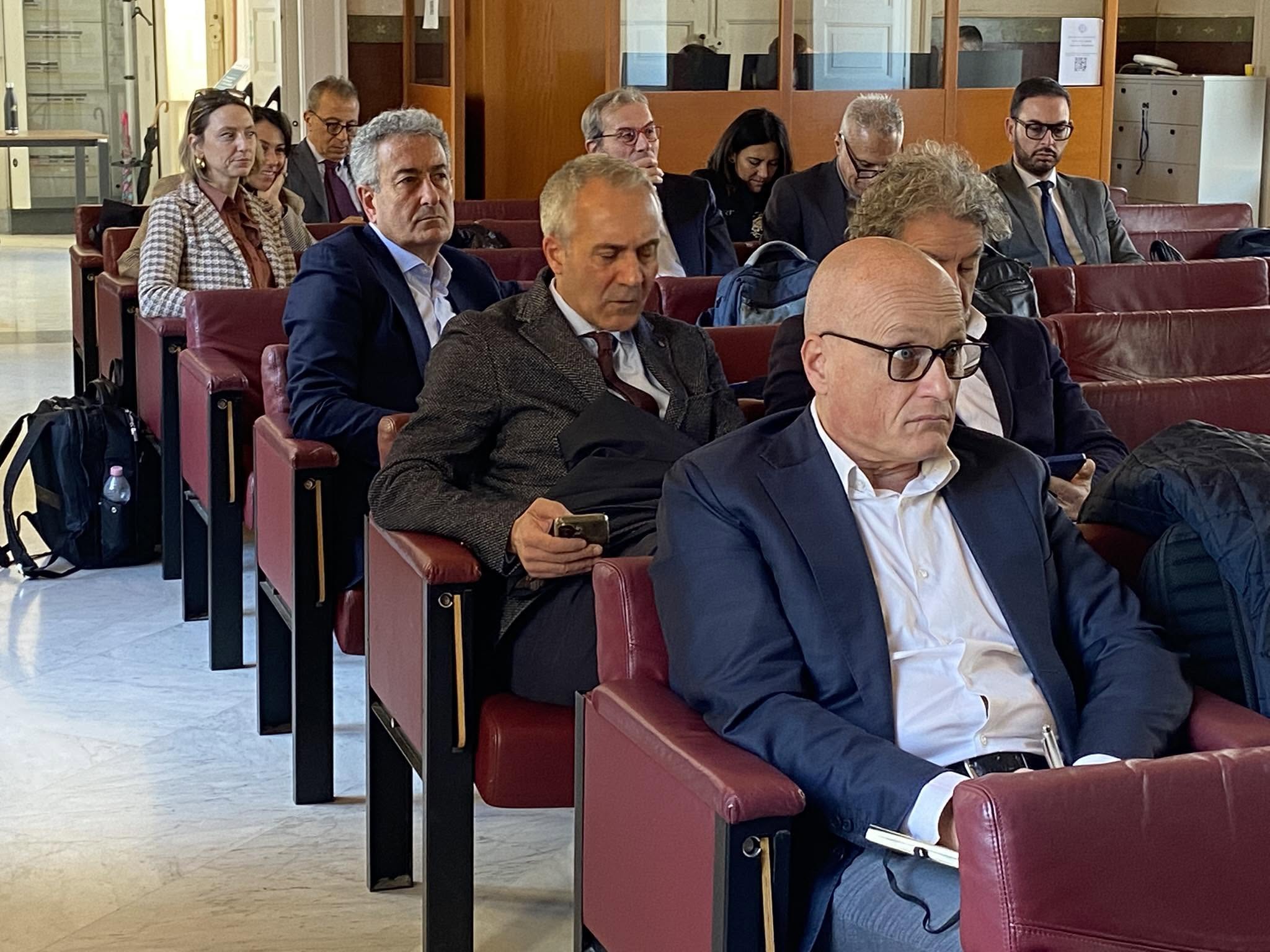
On 20 March 2026, the second edition of the scientific conference “Management of Oncology Networks in Central and Southern Italy” was held. The event was promoted by the University of Naples “Parthenope” and the INT Fondazione Pascale, under the patronage of AIOM, FIMMG, and SIFO.
The initiative provided an important forum for discussion among academia, healthcare professionals, institutions, and stakeholders on the main organizational and managerial challenges facing oncology networks. The discussion focused on the role of oncology networks in ensuring equitable access, appropriate care, and effective integration between hospital-based and community healthcare services.
Particular attention was devoted to the experience of the Campania Oncology Network (ROC), an evolving organizational model aimed at improving the management of oncology patients and reducing diagnostic delays and regional disparities. Key themes emerging from the conference included multidisciplinary care, particularly through the role of Multidisciplinary Oncology Groups (GOM), and the adoption of structured and regularly updated Diagnostic, Therapeutic and Care Pathways (PDTA).
In this context, digitalization represents a key tool for enhancing coordination among healthcare professionals, ensuring continuity of care, and monitoring patient pathways. The contribution of general practice to prevention and community-based patient management was also explored in depth.
A specific focus was placed on hereditary and familial cancers and on the role of Diagnostic, Therapeutic and Care Pathways (PDTA) in the early diagnosis and management of individuals at risk, through access to genetic testing and surveillance programmes.
The discussion also highlighted the need for structured performance monitoring systems capable of assessing the timeliness, accessibility, and quality of care pathways, while supporting the identification of areas for improvement.
The evidence presented highlighted how the integration of innovative organizational models, digitalization, and performance measurement systems can serve as a strategic lever to improve the quality of oncology care, reduce regional disparities, and contribute to the sustainability of the healthcare system. The second edition of the conference thus further consolidated a platform for dialogue and collaboration among the various stakeholders in the healthcare system, promoting the exchange of experiences and knowledge to support the development of increasingly integrated oncology networks focused on creating value for patients. The initiative was supported through unrestricted contributions from BMS, Daiichi Sankyo-AstraZeneca, GSK, Merck, Roche, Pfizer, and Menarini.

