

SHIFT-MED-PROJECT
Shaping the Future of Universities:
Twin Transitions across the Mediterranean
The SHIFT-MED project (Shaping the Future of Universities: Twin Transitions across the Mediterranean) is an initiative funded under the Erasmus+ Capacity Building in Higher Education programme, bringing together universities and partner organisations from Europe, North Africa, and the Middle East.
The project aims to strengthen the institutional capacity of higher education institutions by embedding green governance, digital innovation, and quality assurance mechanisms within university systems. Through collaborative work packages, shared learning environments, and cross-regional cooperation, SHIFT-MED supports universities in becoming more sustainable, digitally mature, and socially responsive, contributing to long-term transformation across the Mediterranean higher education landscape.
The Twin Transition: Sustainability and Digital Innovation
SHIFT-MED promotes the integration of environmental sustainability and digital transformation as core pillars of university activities, encompassing teaching, governance, and innovation processes. The initiative seeks to support higher education institutions in developing organisational and educational models capable of addressing contemporary challenges by fostering a systemic approach that combines ecological transition and digital transformation.
Modernising Curricula and Interdisciplinary Education
The project promotes the development of interdisciplinary curricula focused on green and digital transitions, with the aim of aligning higher education programmes with the evolving needs of the labour market and society. The introduction of innovative educational pathways enables students to acquire updated and cross-disciplinary skills, contributing to the training of a new generation of professionals capable of addressing the challenges of sustainability and digitalisation.
Strengthening Institutional Capacity
Through a range of capacity-building activities, SHIFT-MED aims to enhance the competencies of academic and administrative staff while improving university governance models. The project includes the development of governance frameworks, training programmes, and quality assurance mechanisms, designed to strengthen the ability of participating institutions to plan and implement strategies related to sustainable development and digital innovation.
Table of Contents
Digital Innovation and Eco-Smart Learning
SHIFT-MED encourages the adoption of inclusive digital tools and advanced technologies, including solutions supported by artificial intelligence, to improve accessibility, flexibility, and the overall quality of higher education. These solutions contribute to the development of sustainable, accessible, and technologically advanced learning environments aligned with emerging educational needs.
Mediterranean Cooperation and Shared Impact
A key dimension of SHIFT-MED is the strengthening of transnational cooperation across the Mediterranean region. The project fosters collaboration among universities, public institutions, and civil society actors, encouraging the exchange of knowledge, best practices, and innovative models. This collaborative dimension aims to generate a long-term impact on higher education systems throughout the region.
The Project Kick-off Meeting
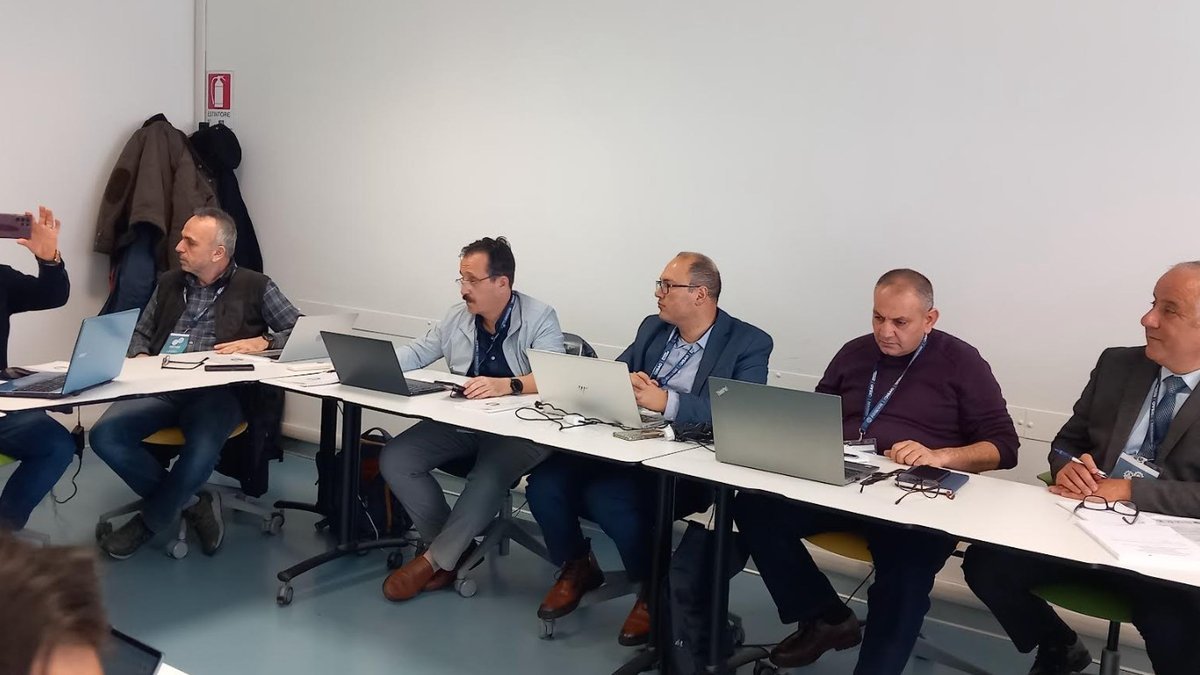
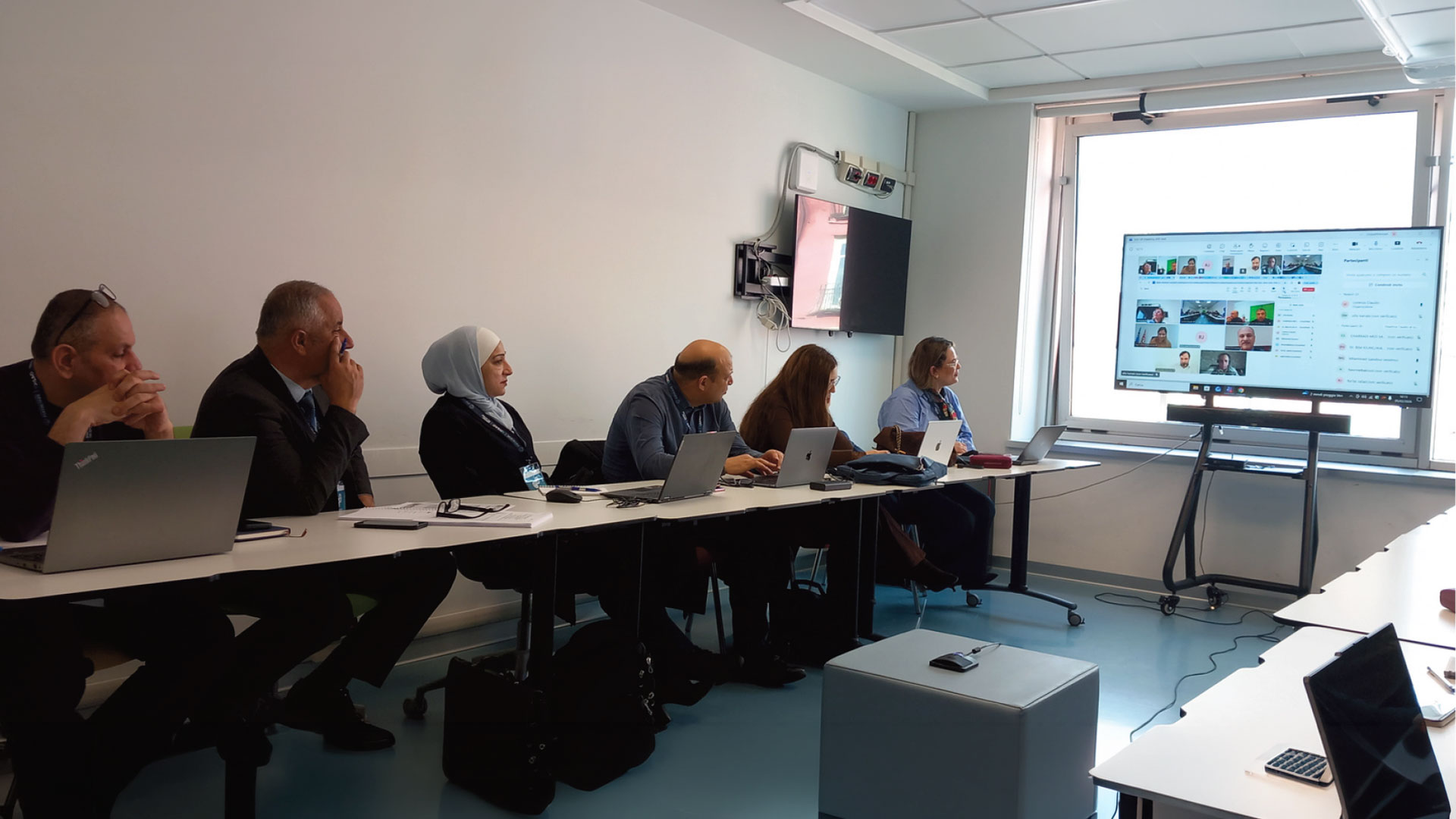
The SHIFT-MED Kick-off Meeting, hosted by the University of Naples Parthenope, represented a crucial milestone in launching the project’s activities. Held from 4 to 7 February 2026, the meeting brought together higher education institutions and partner organisations from Tunisia, Palestine, Türkiye, and Europe, establishing a solid foundation for the coordinated implementation of the project.
The agenda combined strategic alignment and operational planning. The meeting began with partner presentations highlighting institutional profiles, expertise, and expected contributions to the project. This was followed by an in-depth introduction to the project structure, including objectives, governance arrangements, work packages, the Gantt chart, and the overall management framework.
Dedicated sessions also addressed key operational aspects such as quality assurance, risk management, financial reporting, communication, and dissemination, ensuring a shared understanding of responsibilities, procedures, and compliance with Erasmus+ requirements.
Project Activities and Coordination
During the second day, discussions focused in particular on Work Package 2 – Enhancing Institutional Capacity for Green Governance, together with the planning of upcoming project activities, coordination mechanisms, and the next milestones for the consortium.
In addition to the technical programme, the meeting also strengthened partnership cohesion through networking opportunities and cultural activities, including a visit to the Historical Archive of the Banco di Napoli – CartaStorie Museum.
The Kick-off Meeting successfully established a shared vision, clearly defined roles, and a collaborative working culture, laying the groundwork for effective implementation and long-term impact across the Mediterranean higher education landscape.
Funding
This project is funded by the European Union under the Erasmus+ programme.
The views and opinions expressed are, however, those of the author(s) only and do not necessarily reflect those of the European Union or the European Education and Culture Executive Agency (EACEA). Neither the European Union nor the granting authority can be held responsible for them.