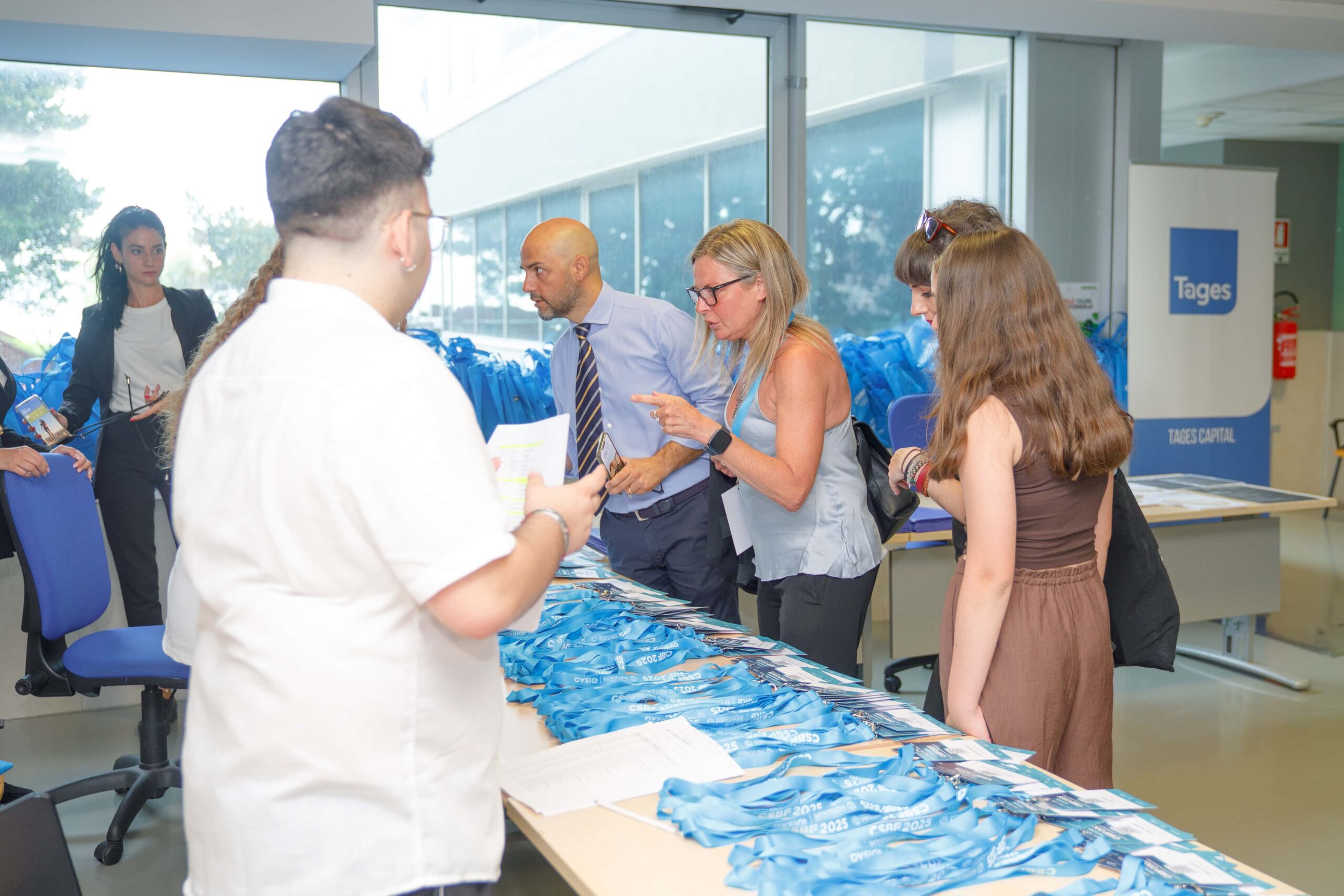
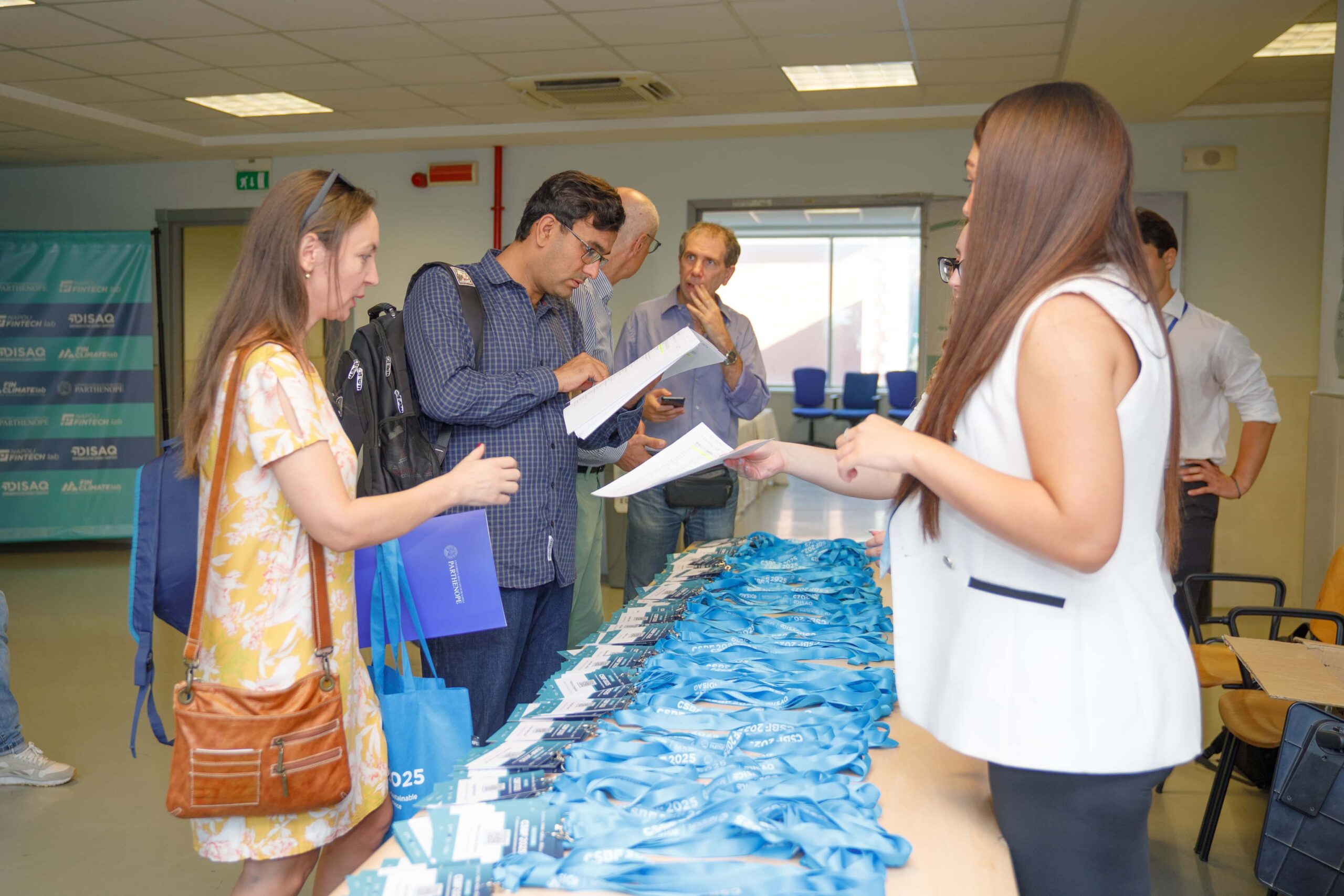
Overview: A Resounding Success
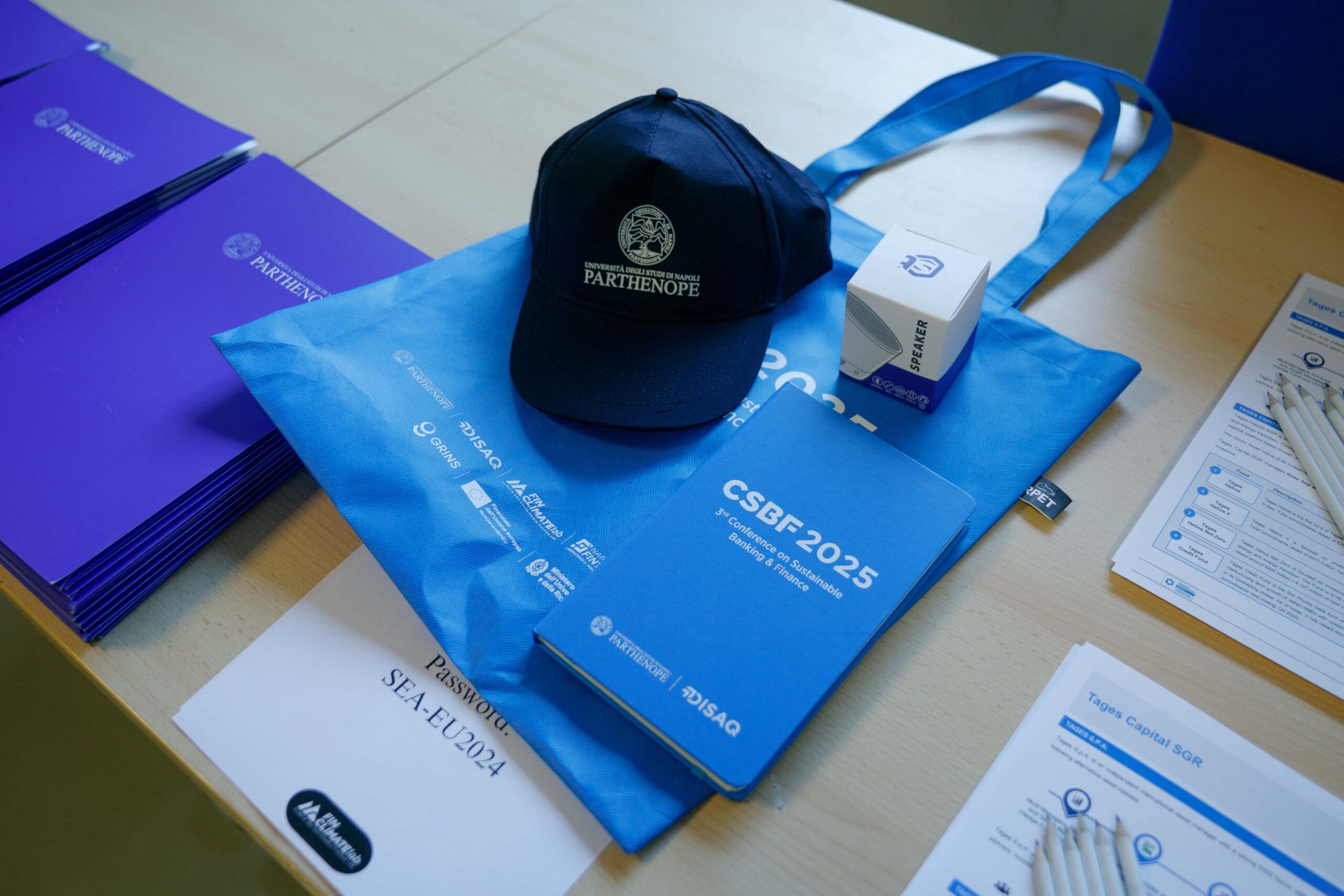
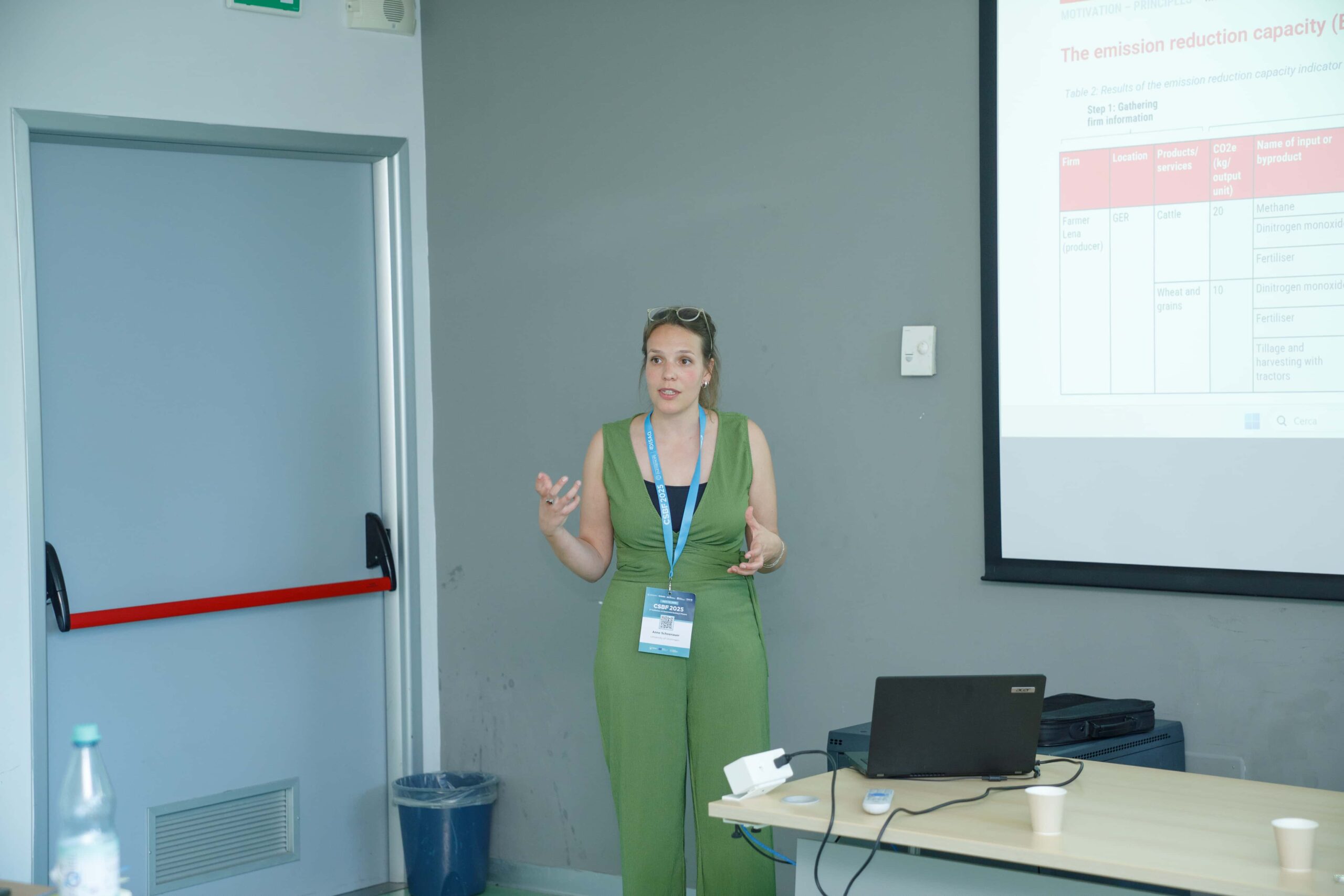
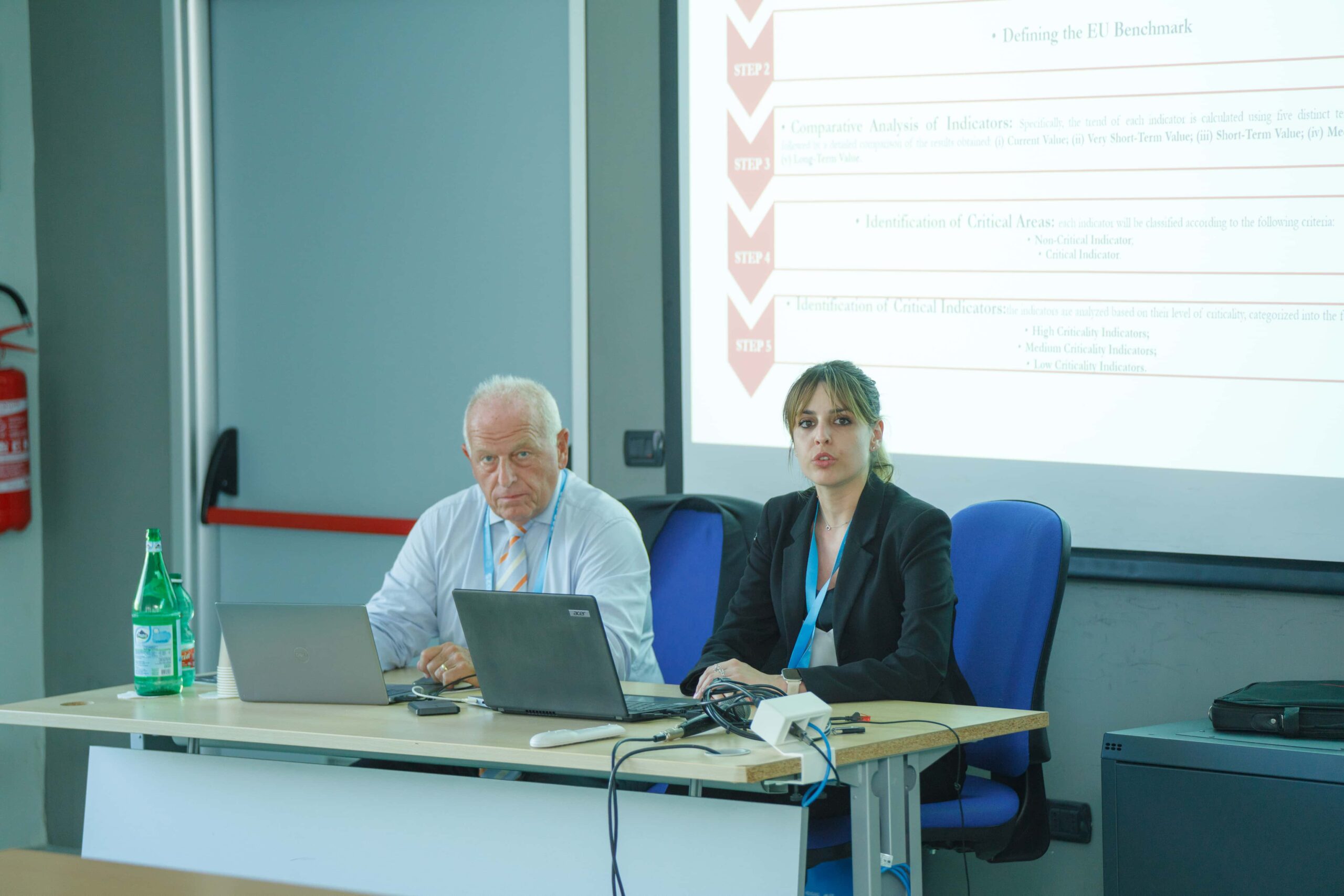
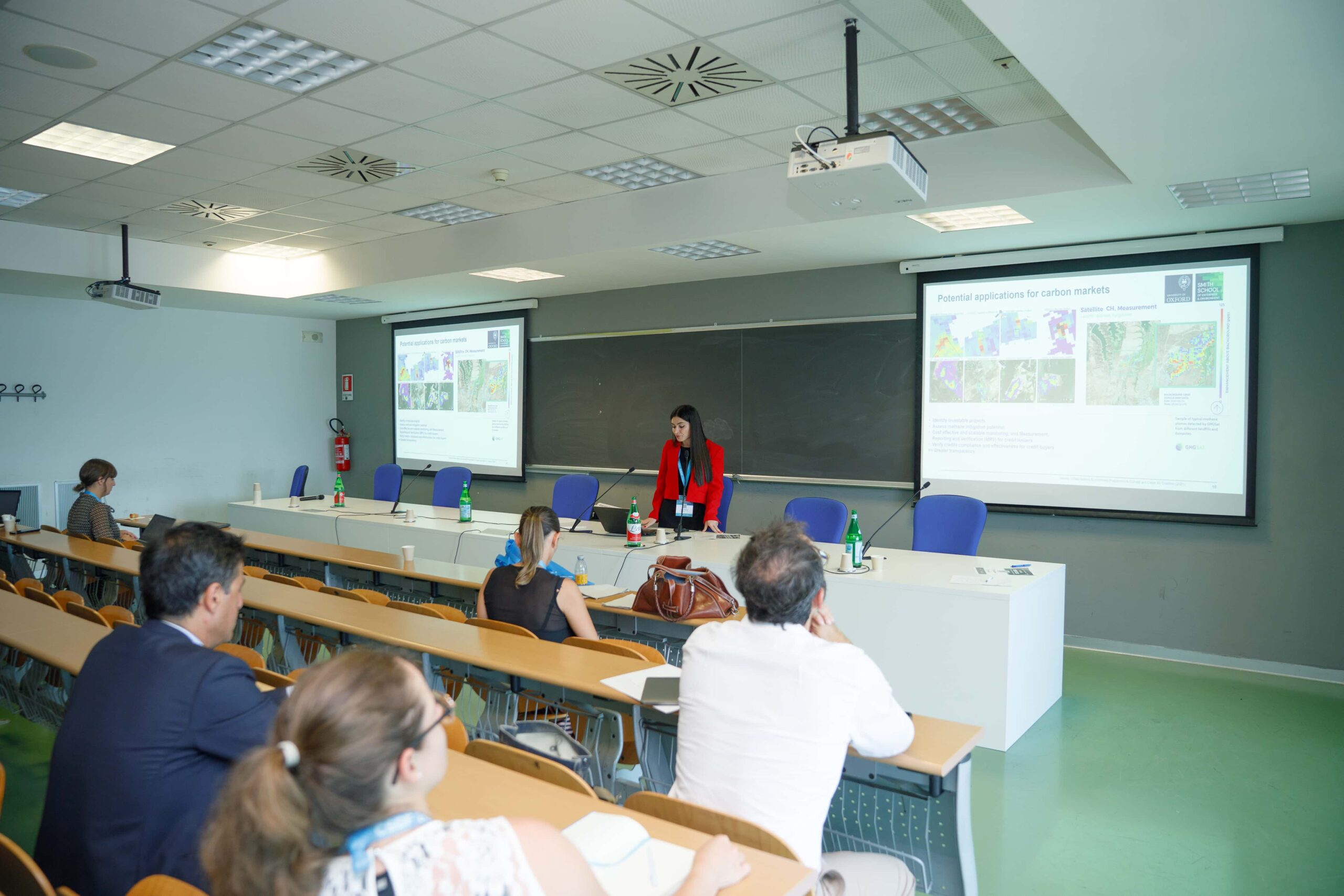
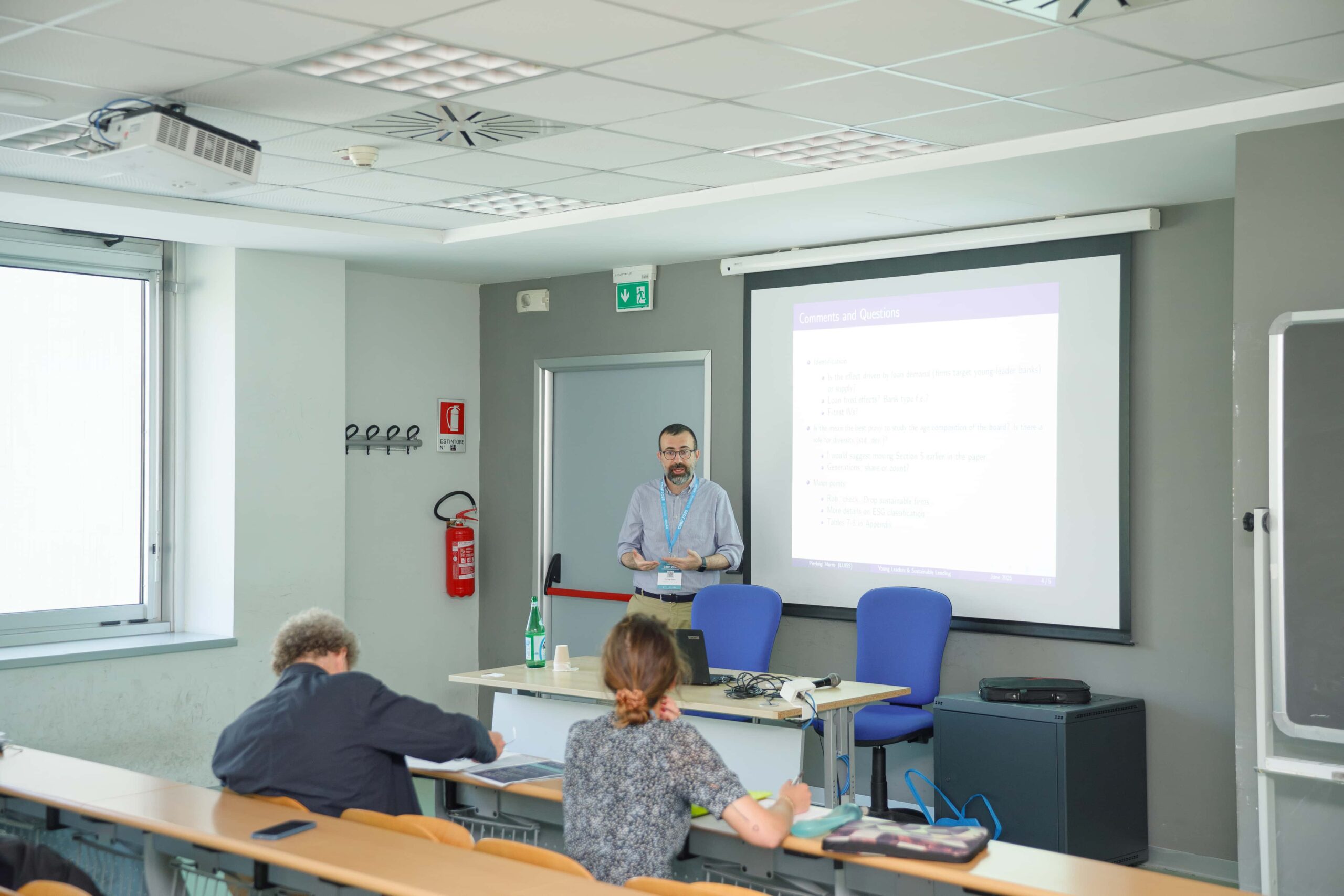
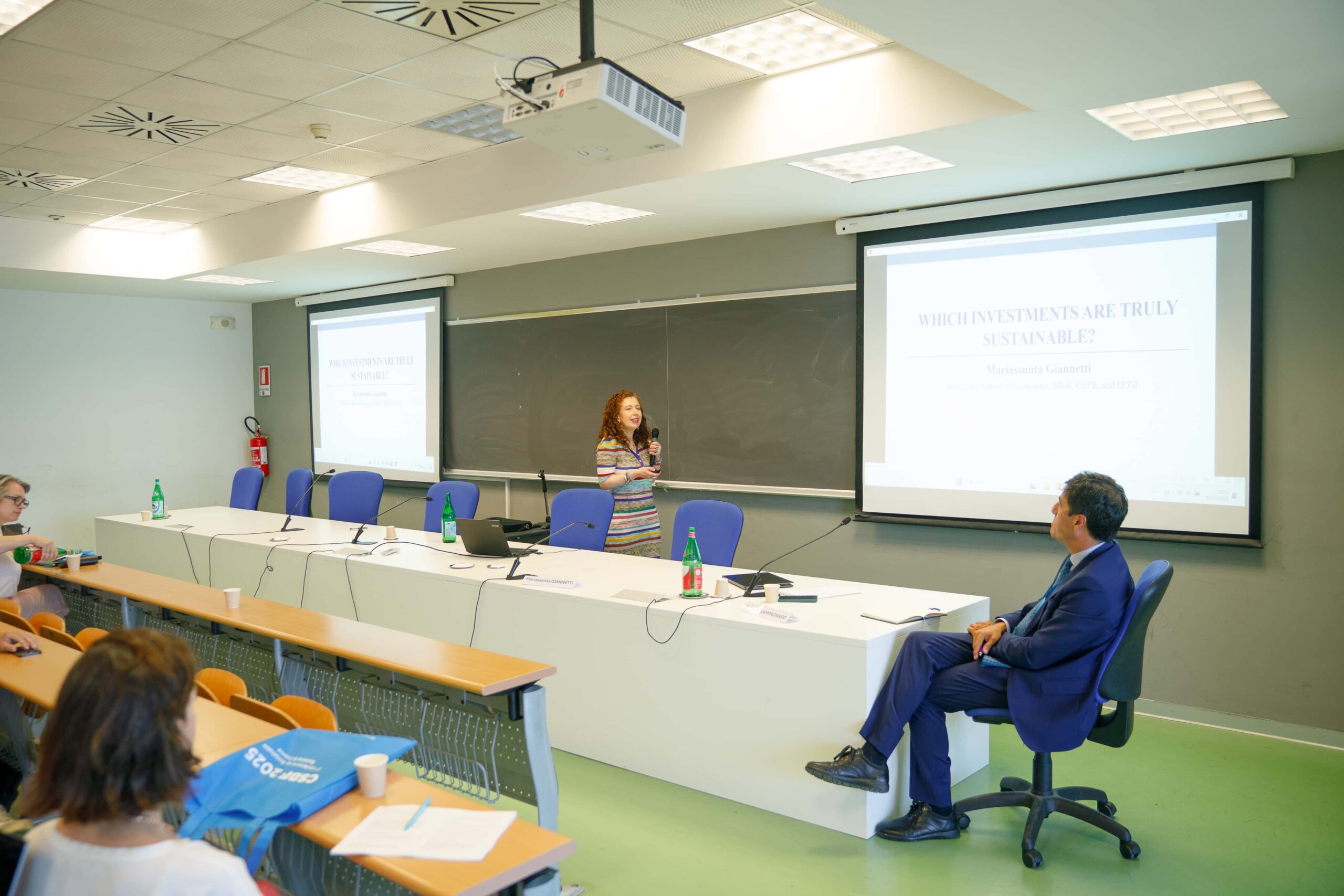
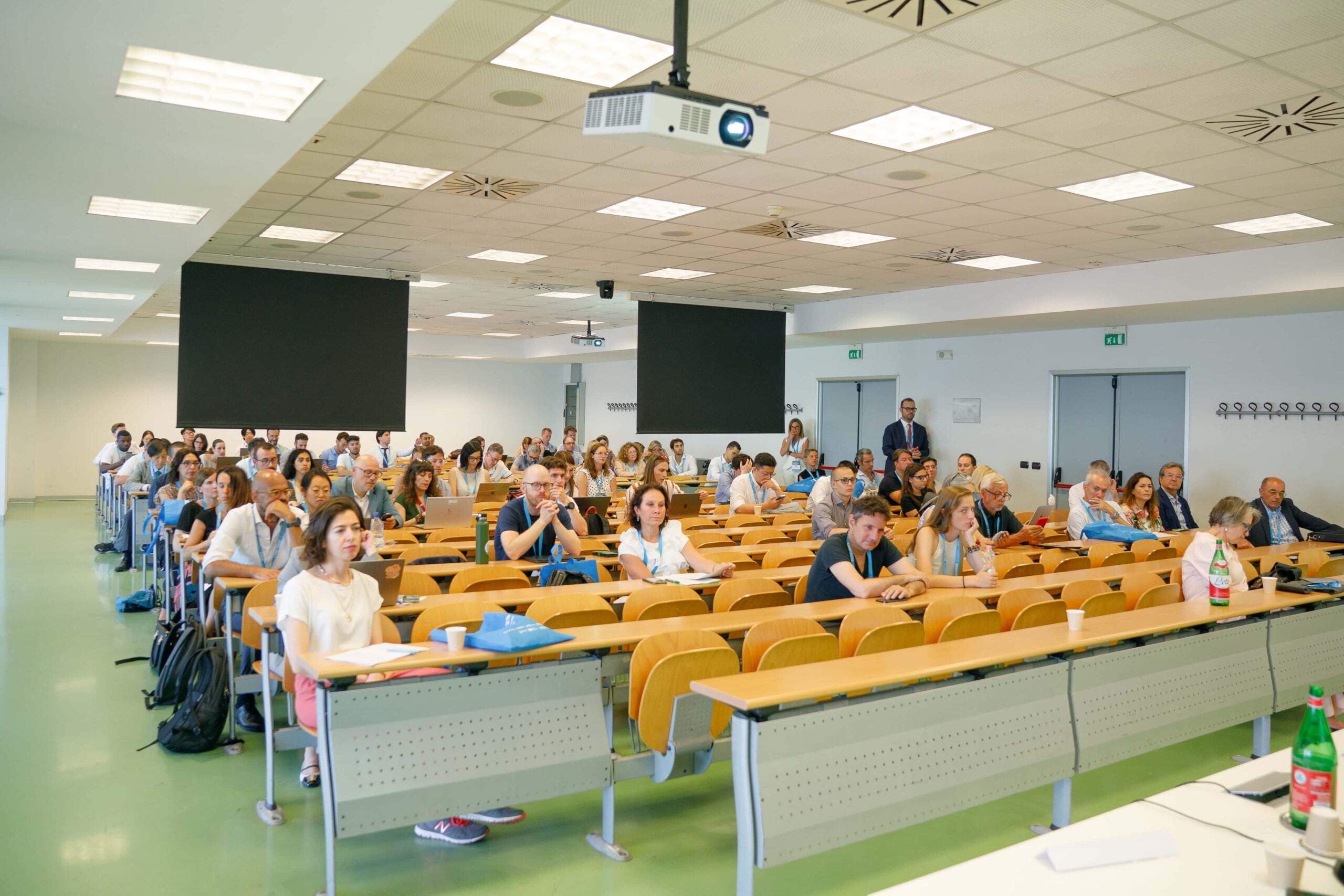
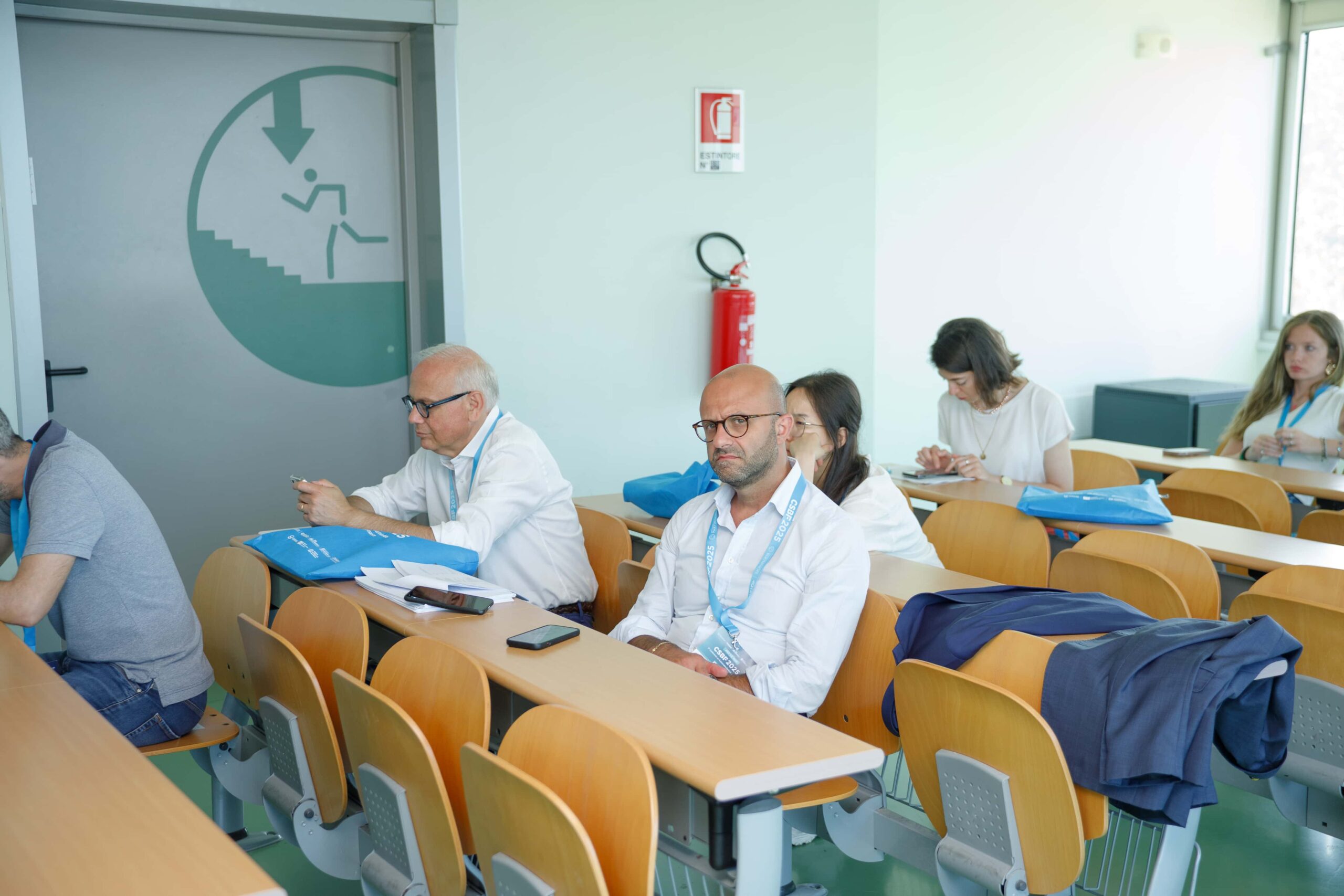
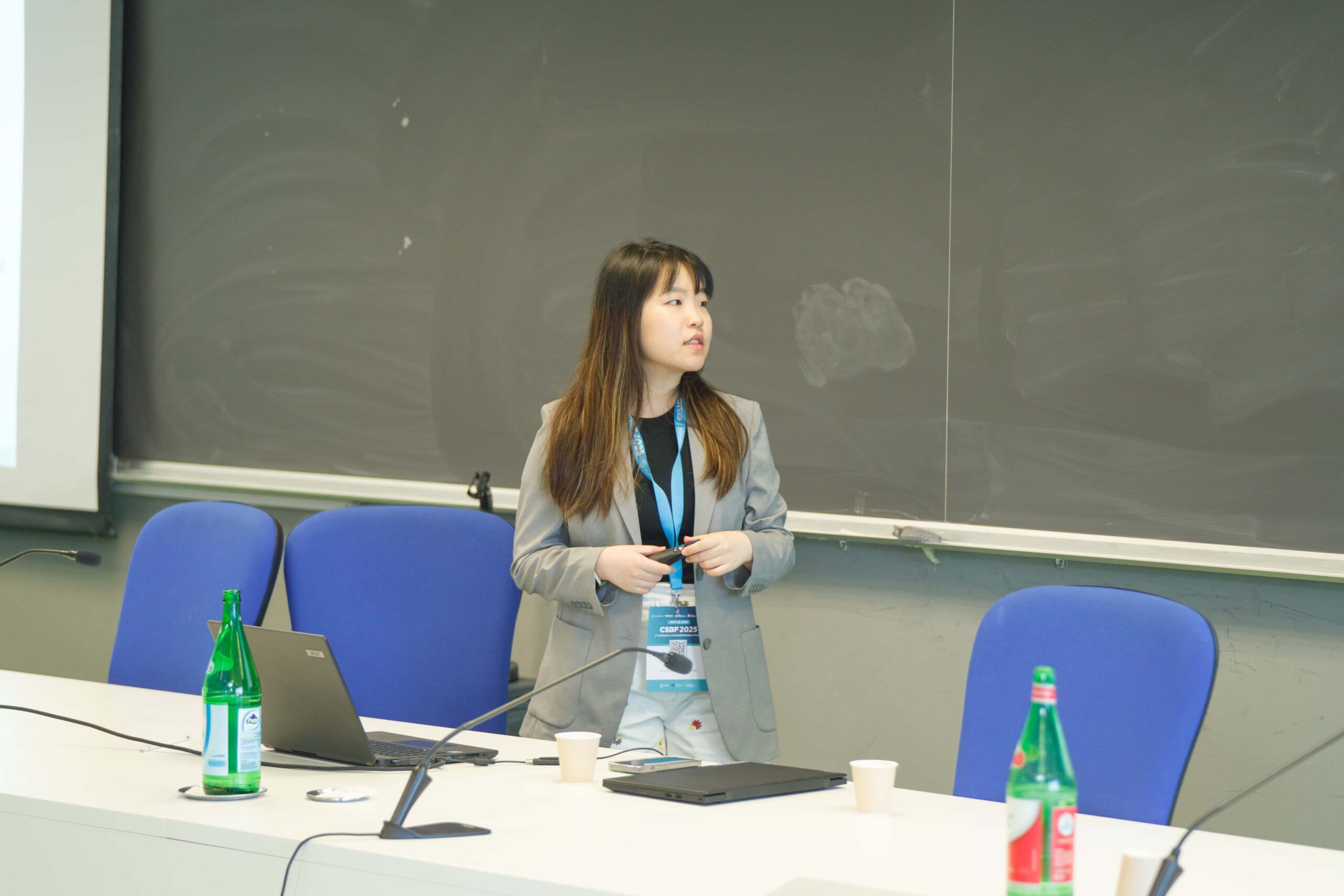
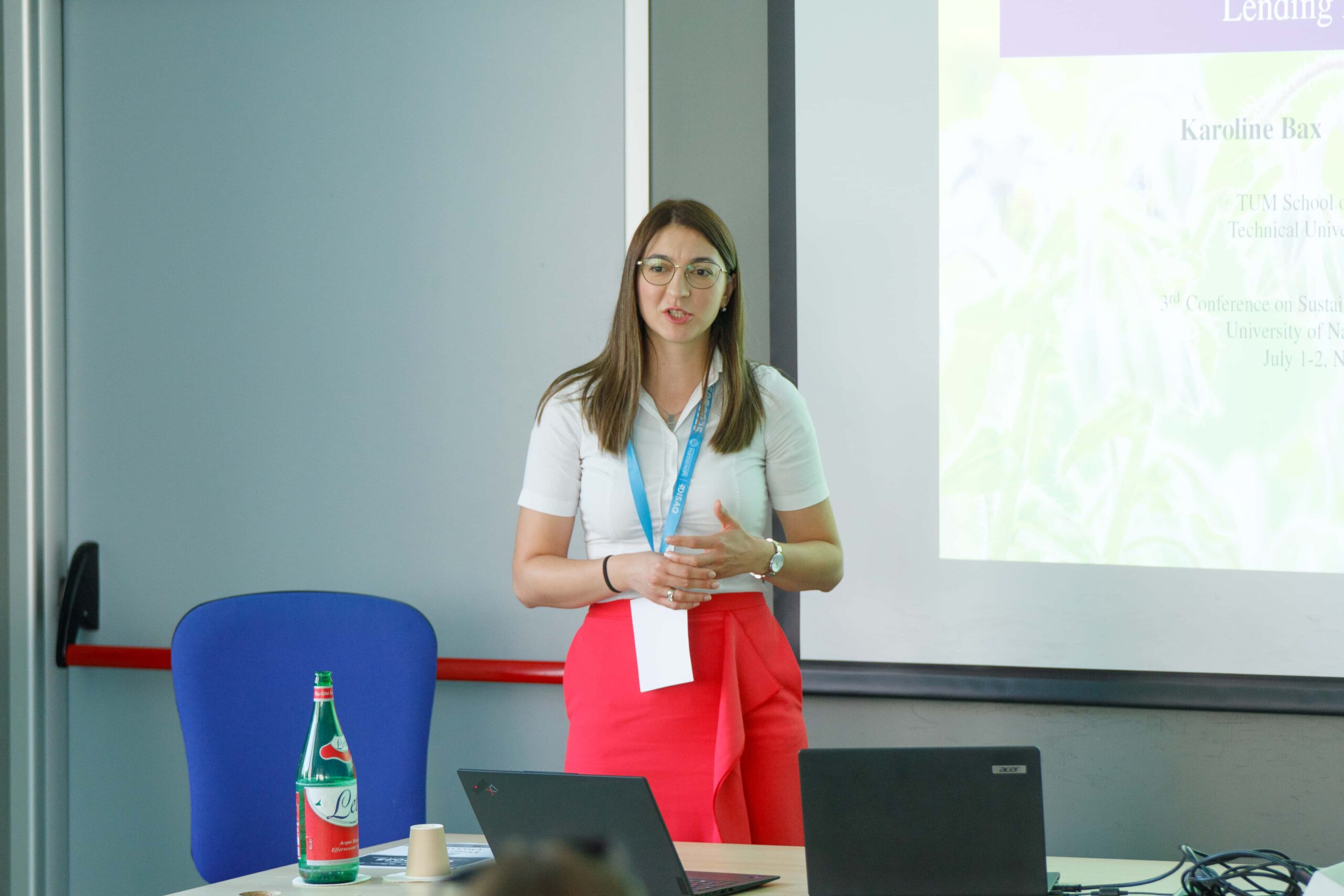
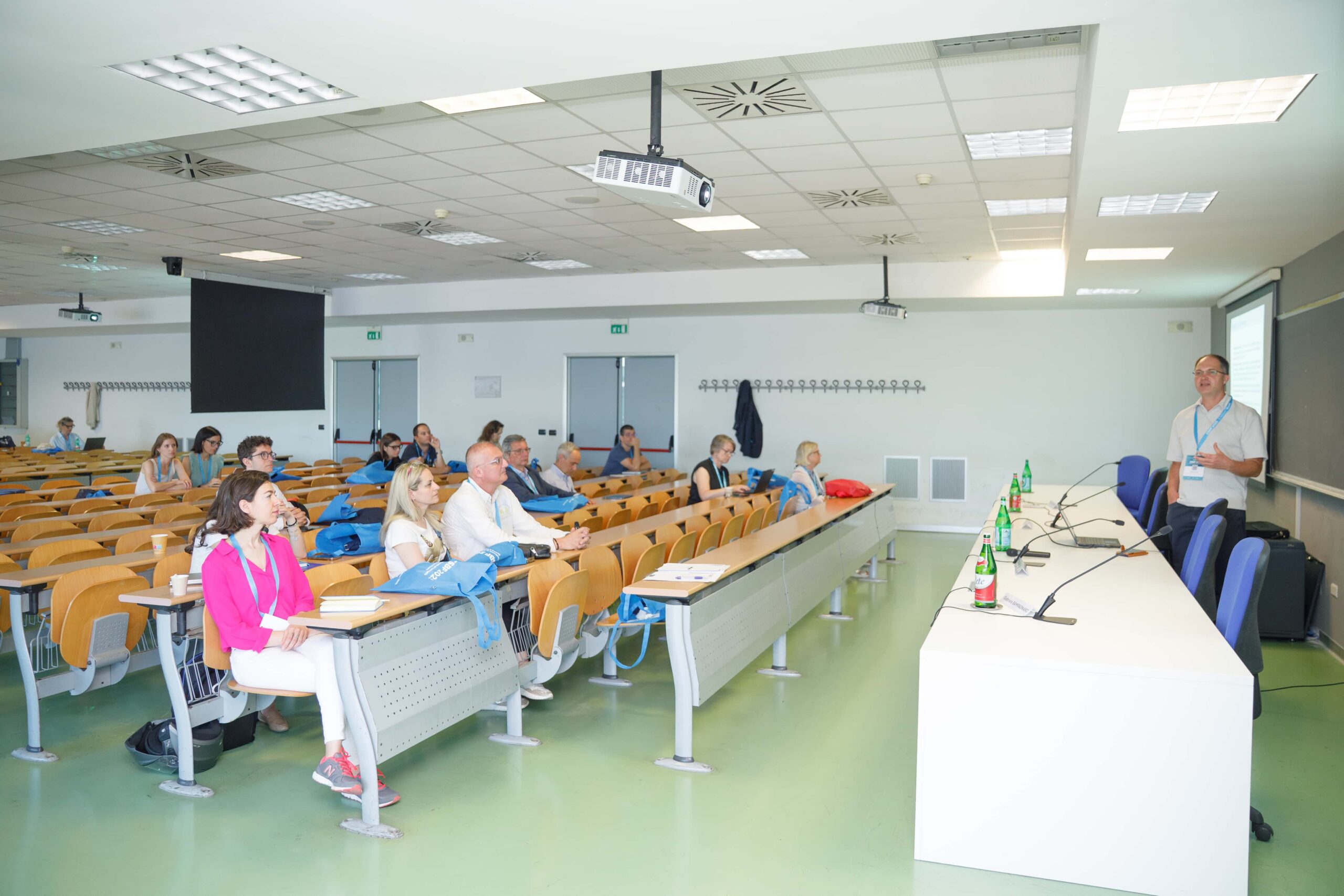
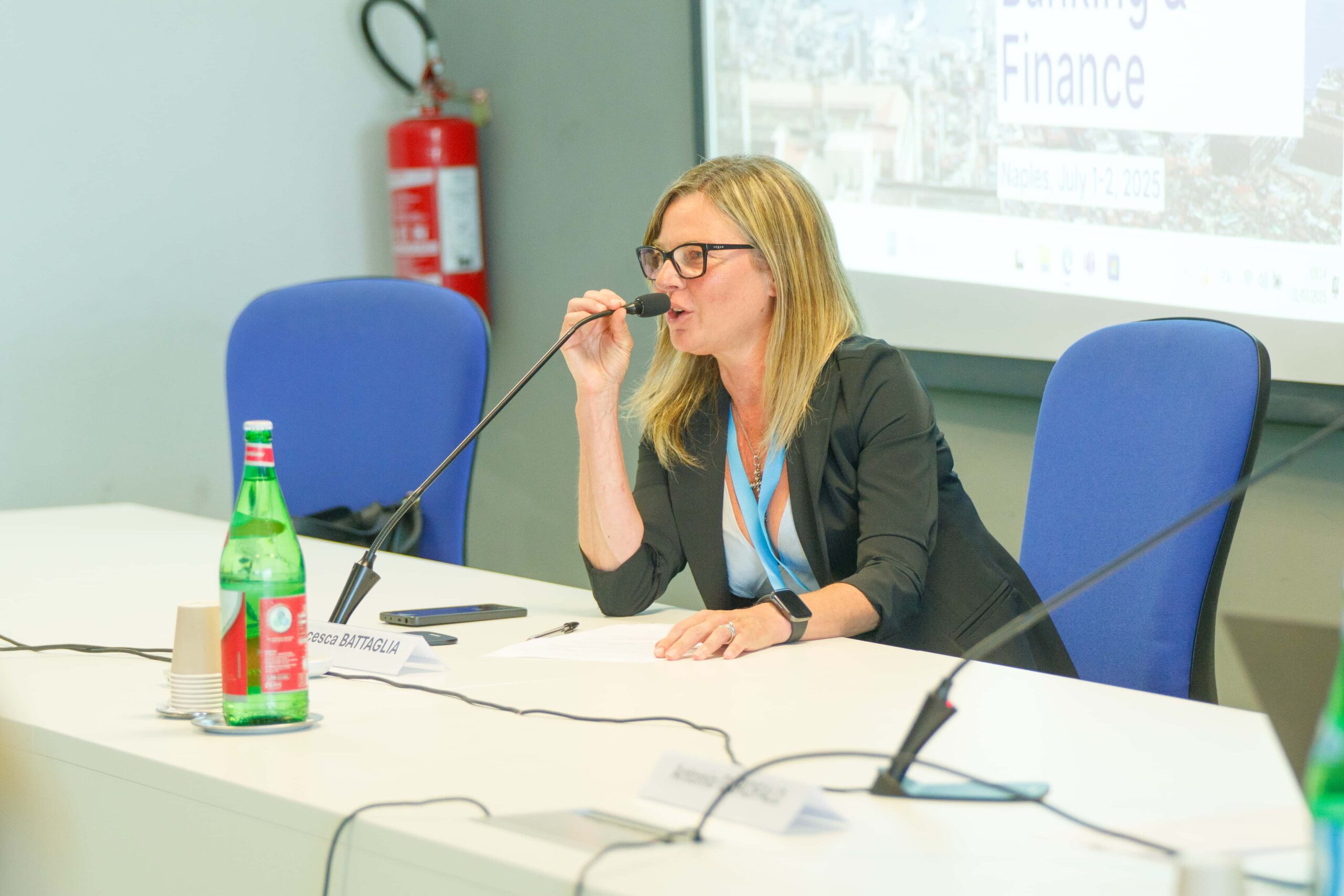
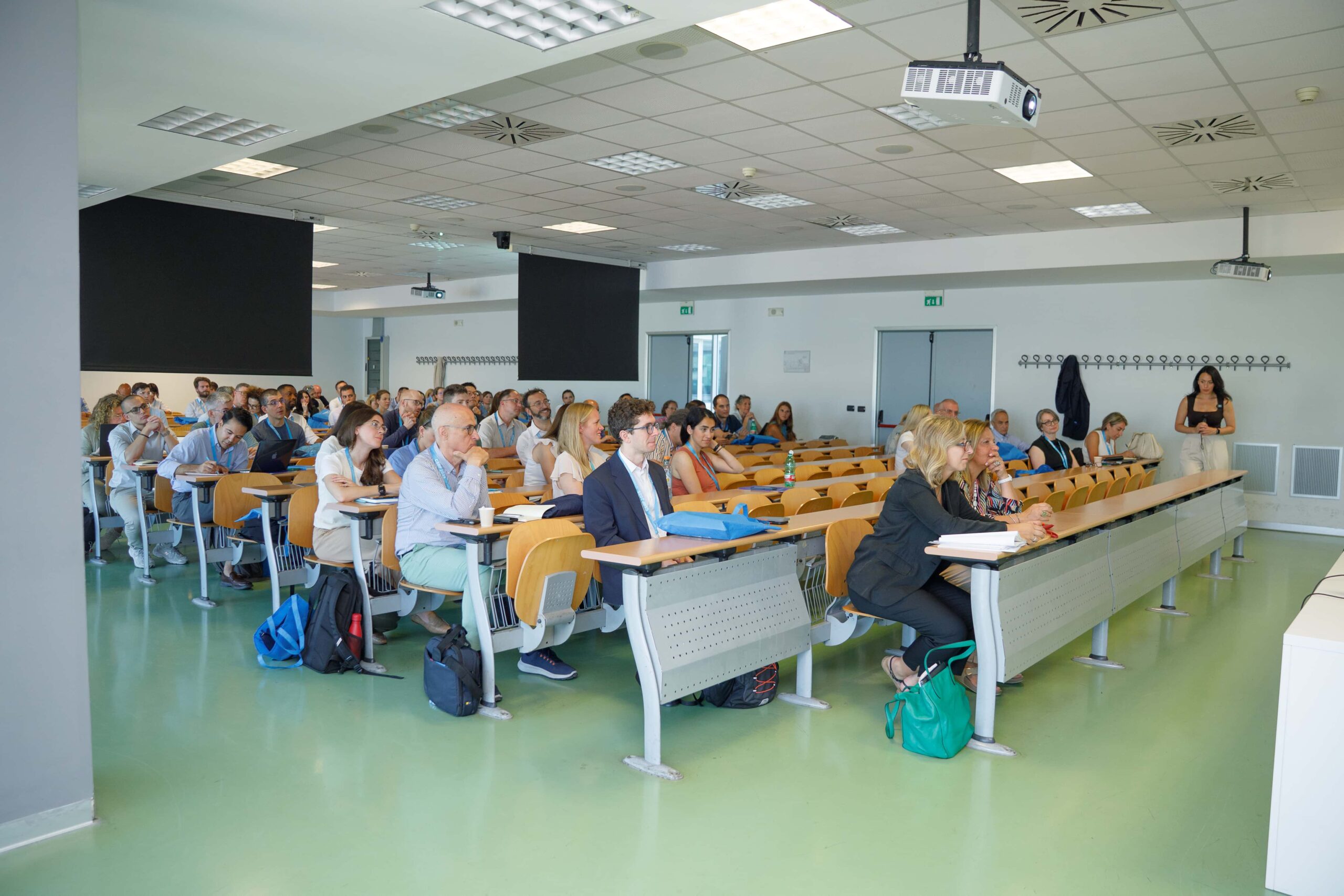
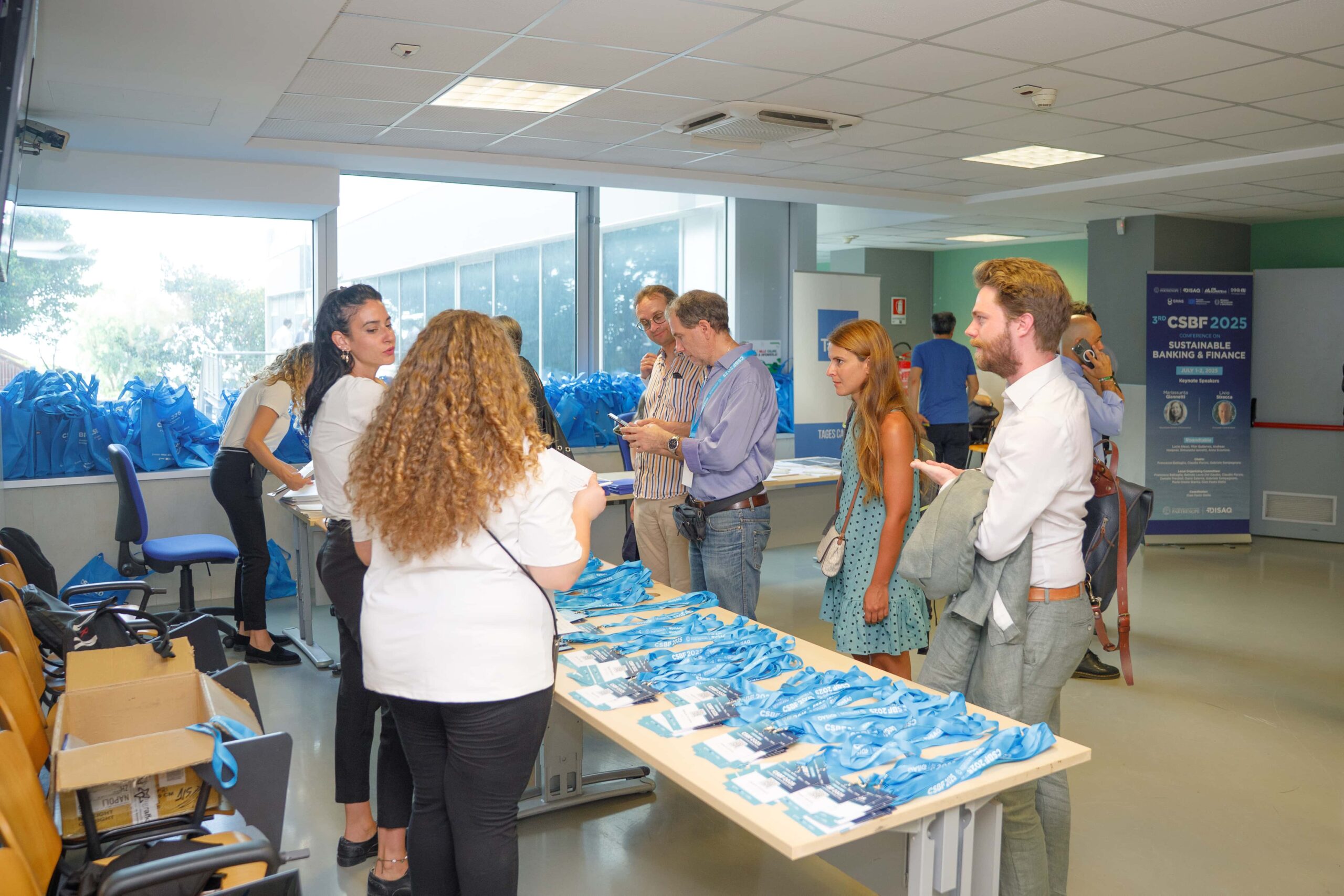
The 3rd edition of the Conference on Sustainable Banking and Finance (CSBF 2025) marked another important meeting in global academic and policy dialogue on ESG, green finance, and sustainable financial strategies. Held at the scenic Palazzo Pacanowski of the University of Naples Parthenope – Department of Business and Quantitative Studies (DISAQ) , the event brought together over 300 participants, including top scholars, central bankers, ESG practitioners, and regulatory officials. Organized by the FinClimate Lab (DISAQ) the conference reaffirmed the University of Naples Parthenope as one of the key places for critical debates on climate finance. During the meeting, we hosted two keynote speakers.Mariassunta Giannetti – Stockholm School of Economics
Topic: Beyond ESG: Executive Pay Metrics and Shareholder Support Giannetti delivered a compelling address on the evolution of ESG metrics in corporate governance, linking executive incentives to sustainability performance.Livio Stracca – European Central Bank
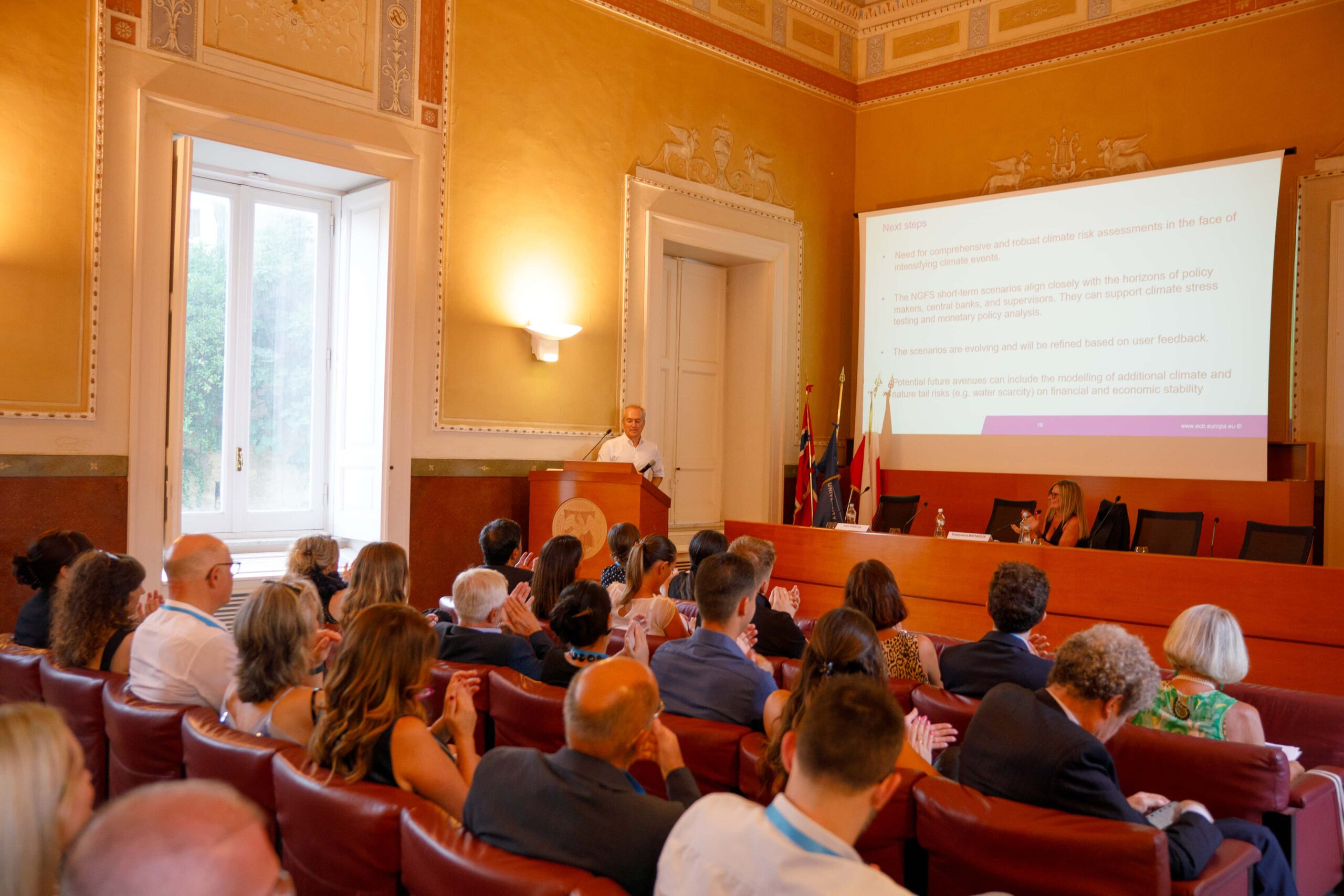
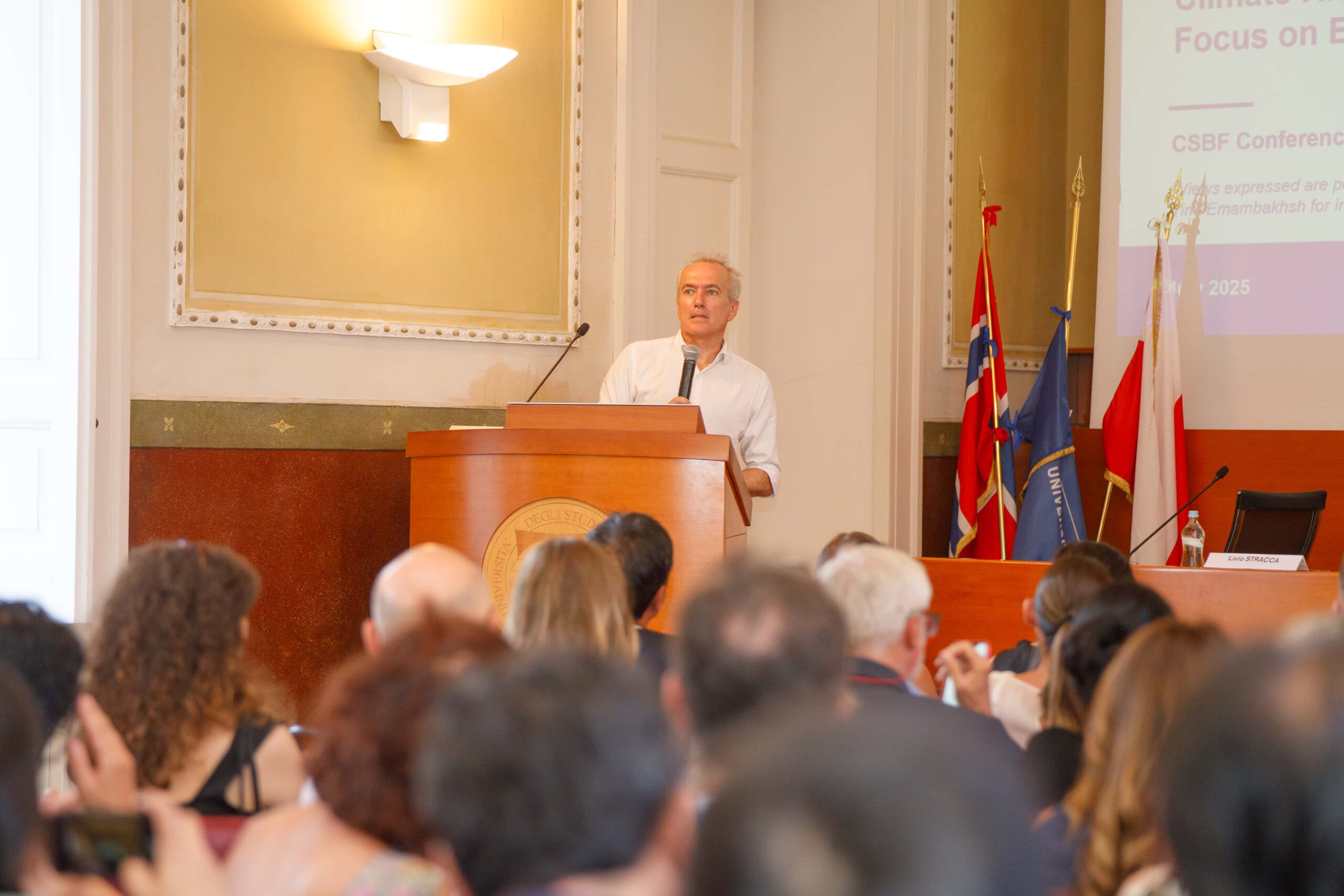
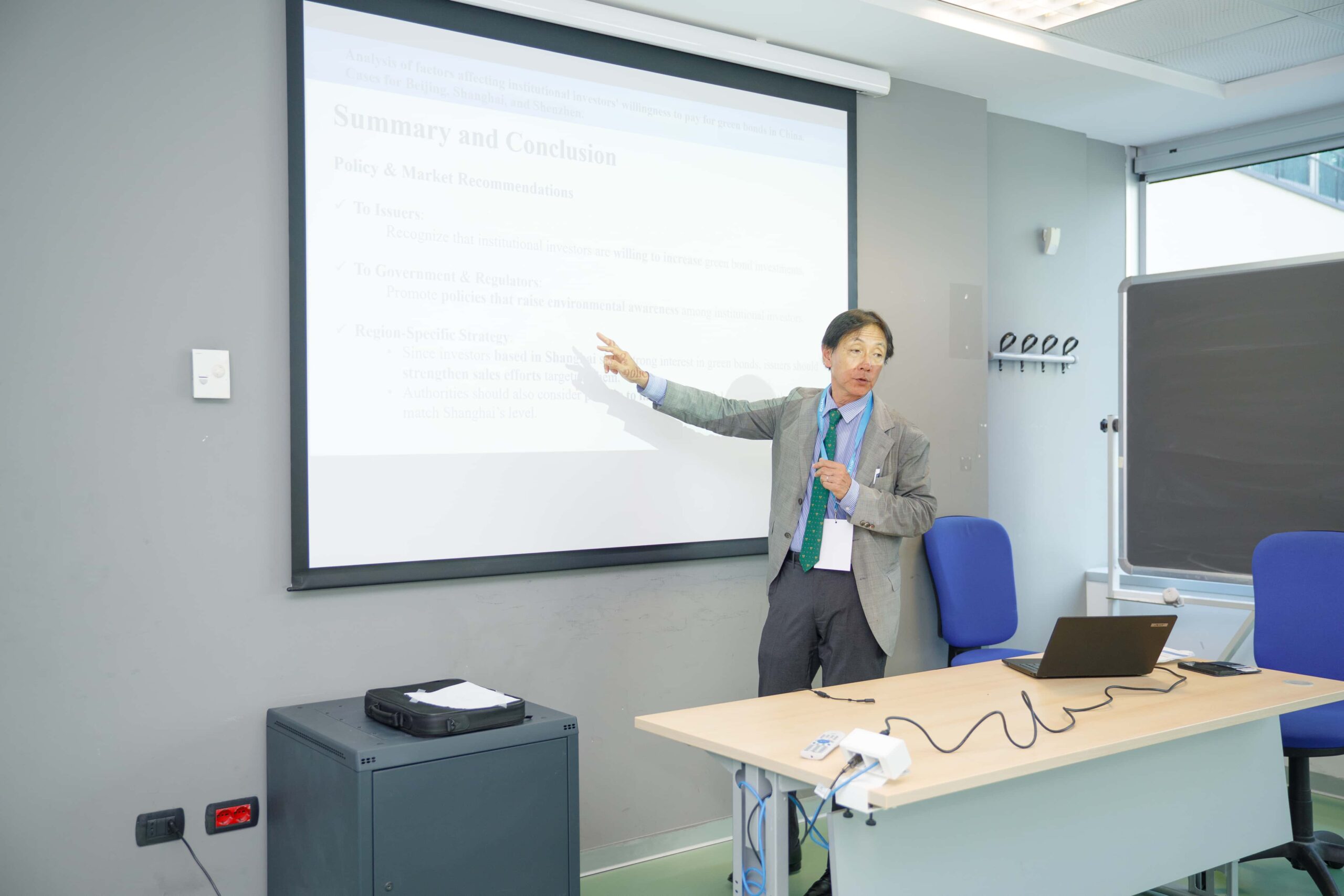
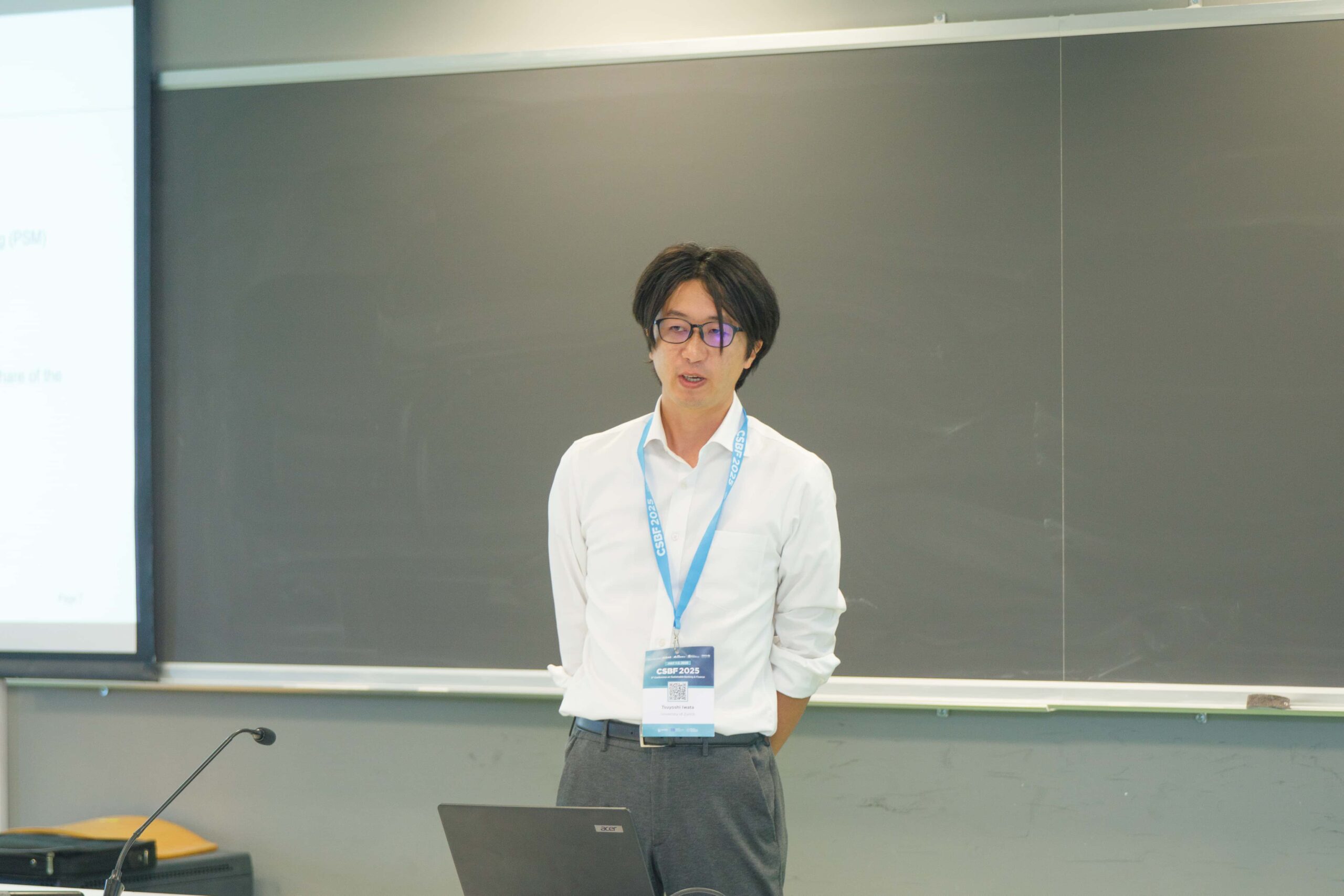
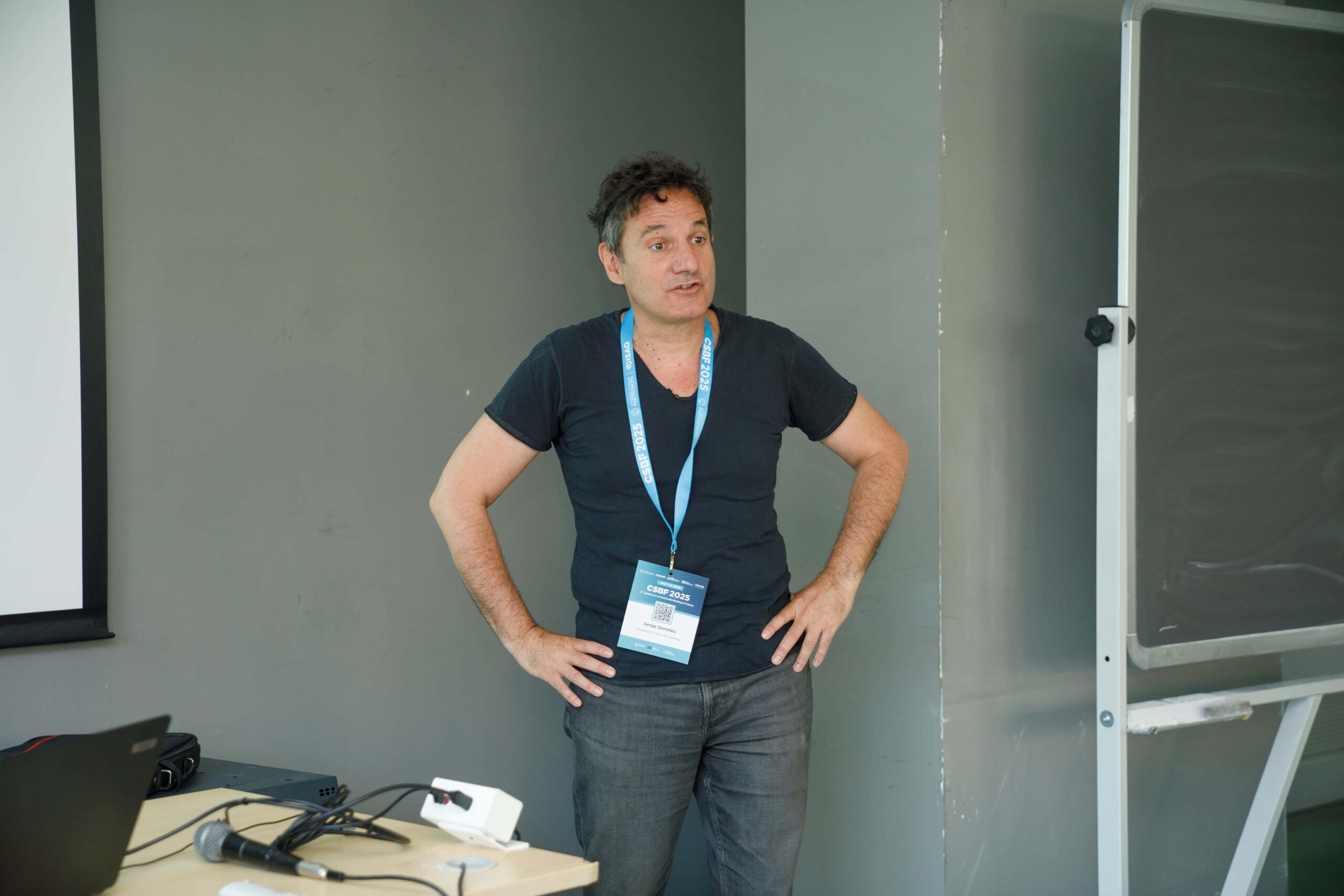
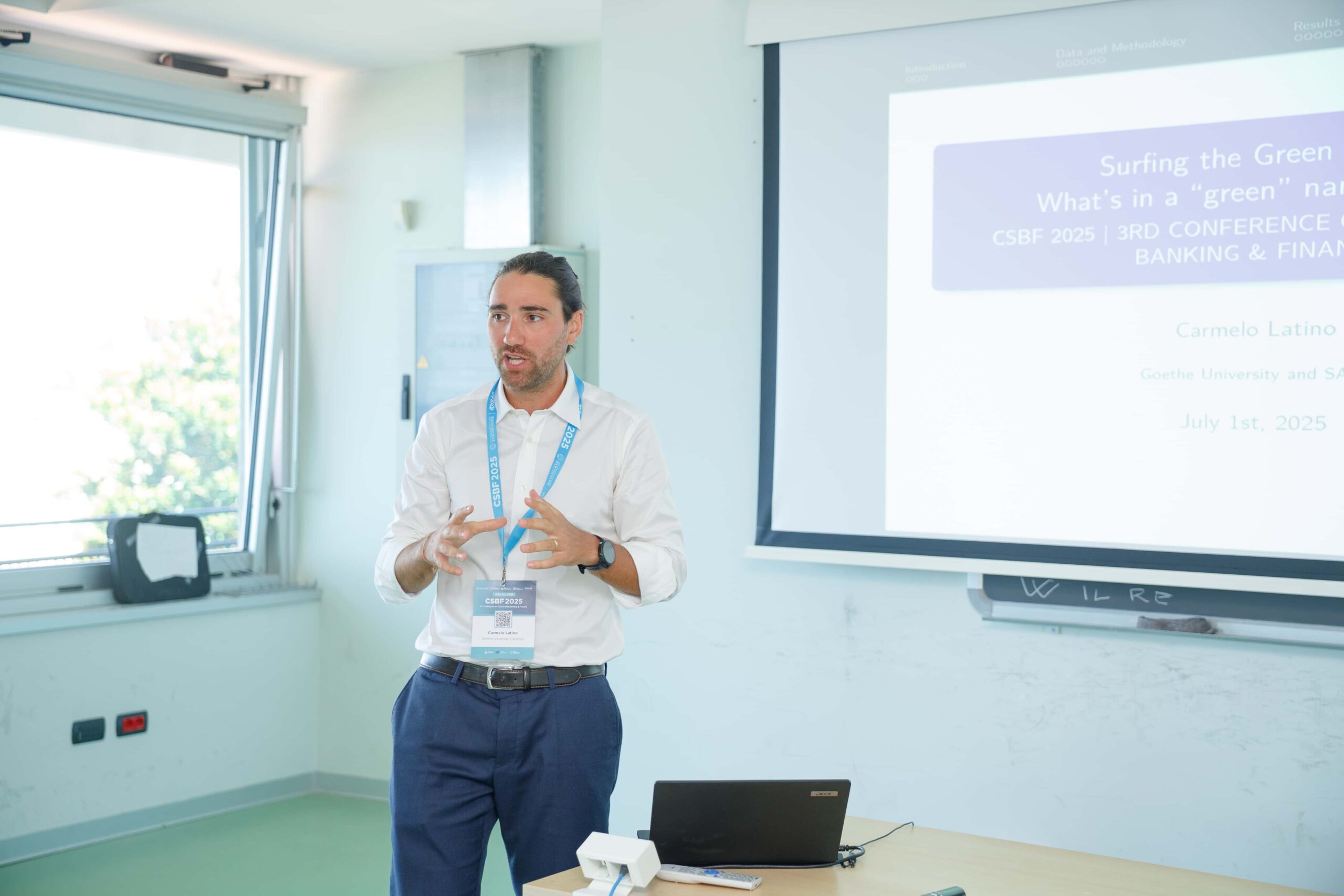
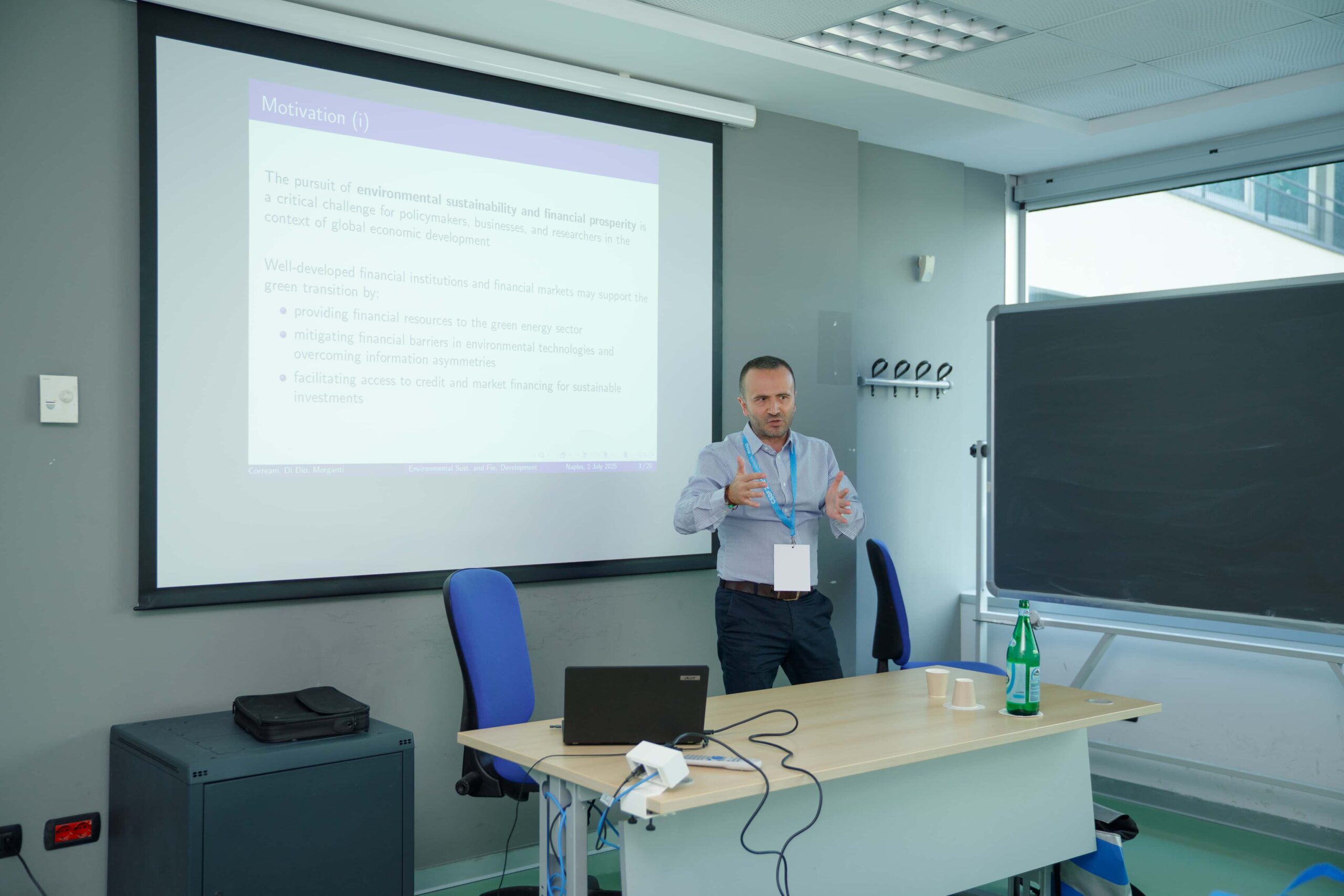
Topic: Short-term climate risk: a focus on Europe As Chair of the NGFS Climate Scenarios Workstream, Stracca offered an incisive analysis of climate-financial linkages and how European institutions are preparing for near-term shocks.Across 33 sessions and 100+ paper presentations, the conference covered:
- Climate Risk & ESG Metrics – ESG score divergence, climate stress tests, greenwashing detection.
- Green Bonds & Financial Instruments – Effectiveness of green debt, sustainability-linked bonds, carbon risk pricing.
- Corporate Governance & Sustainability – Board diversity, green pay incentives, fossil fuel divestment.
- AI & Behavioral Finance – AI-powered ESG investing, investor sentiment analysis, and fintech adoption.
- Global Risk & Regulation – Discussions led by experts from the ECB, EBA, ESMA, and FSB on climate stress scenarios and disclosure frameworks.
Panels and Roundtables
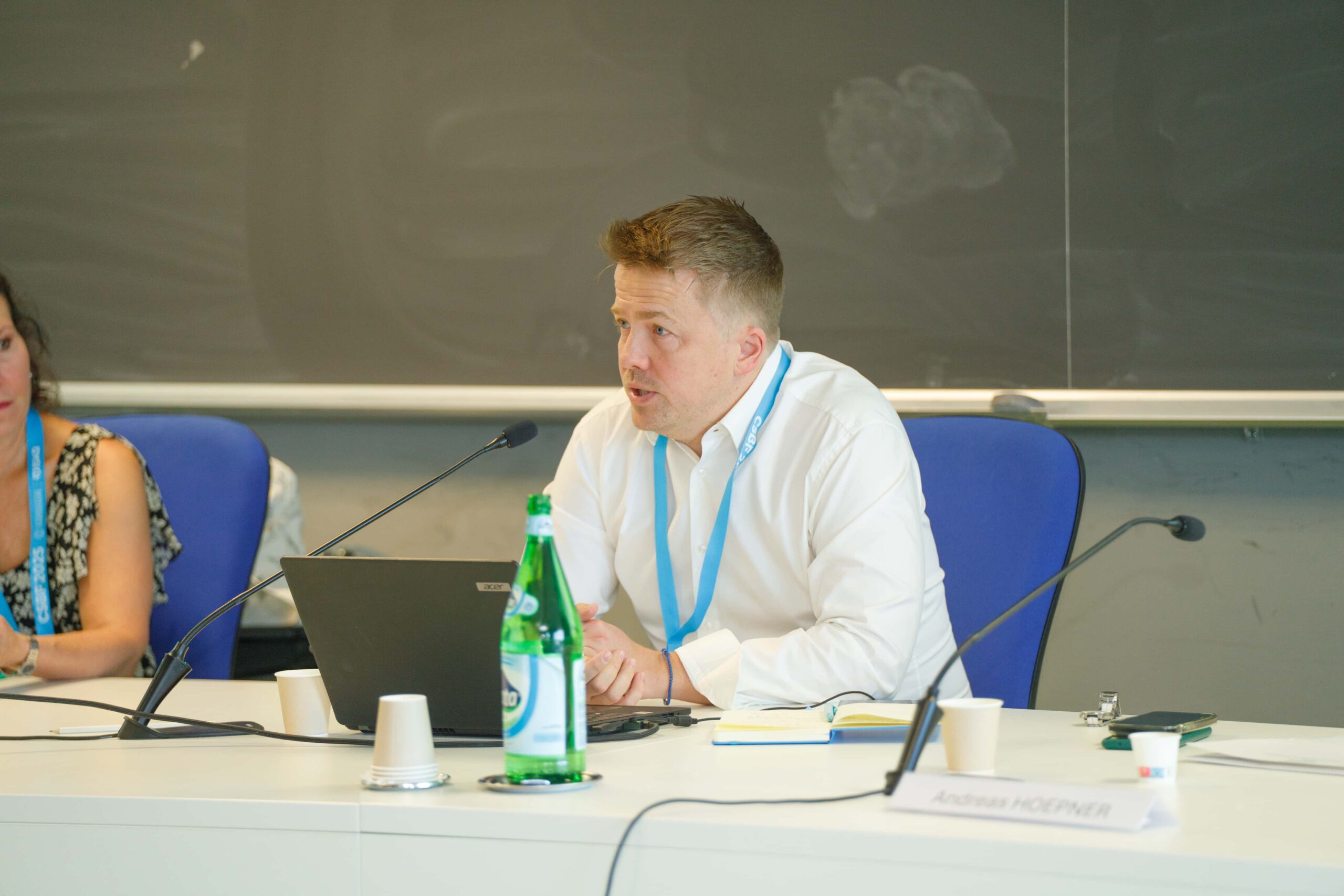
ESG Data and Metrics: Advances in Policy and Research
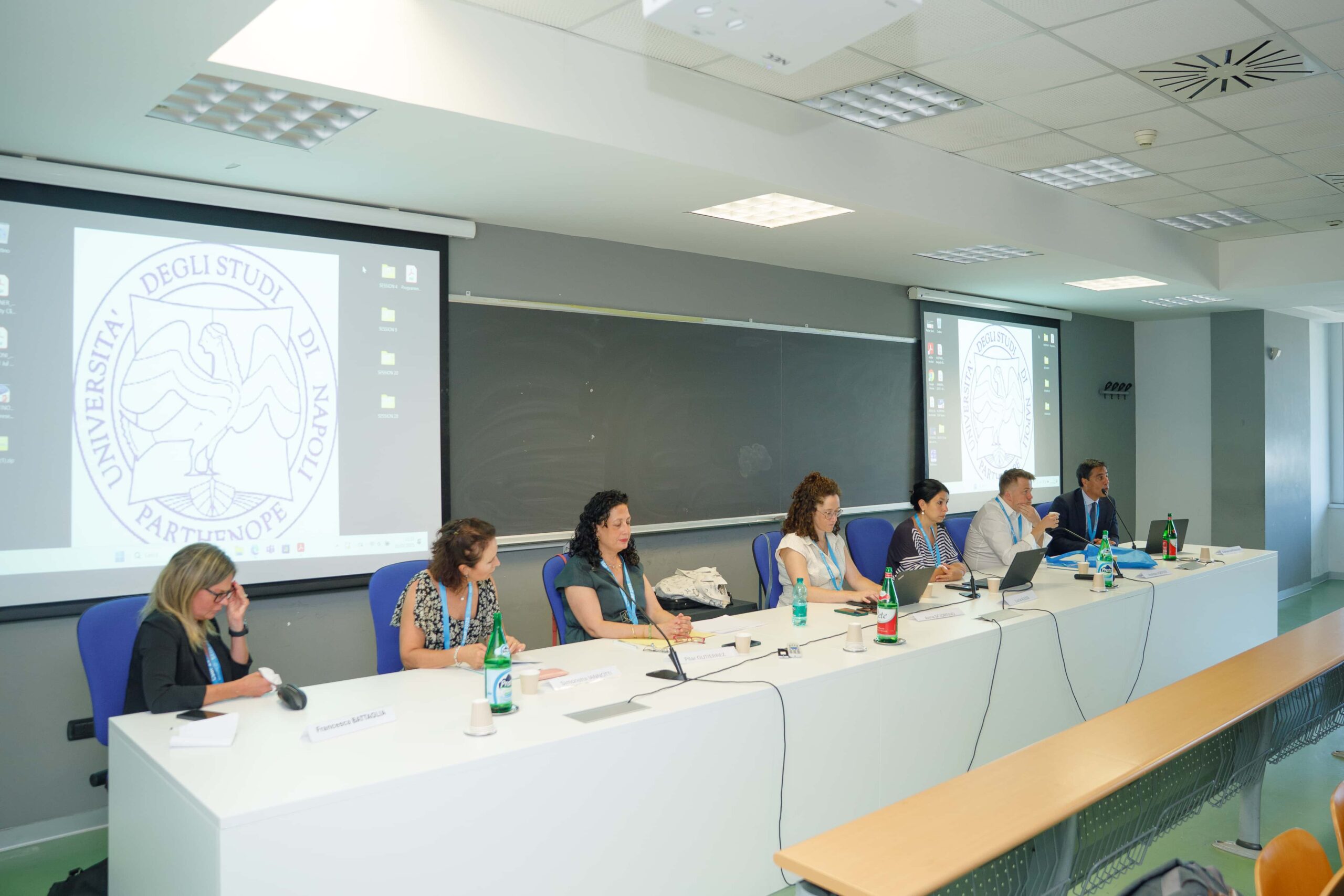
Featuring key voices from the European Commission, ESMA, EBA, and the FSB, the 3rd CSBF has hosted a roundtable that tackled the challenges of data comparability, new ESG disclosure regulations, and the evolving supervisory landscape.
This high-level roundtable convened distinguished policy experts and academics to examine the most pressing challenges and frontiers in ESG data quality, regulatory alignment, and application in risk modeling. The session emphasized cross-border regulatory convergence, ESG score heterogeneity, and the link between sustainability data and financial stability.
Speakers:
- Lucia Alessi
European Commission – Joint Research Centre (JRC)
An expert in sustainable finance and risk modeling, she provided a European policy perspective on ESG disclosure standardization.
- Pilar Gutierrez
European Banking Authority (EBA)
She highlighted supervisory concerns over ESG data gaps and introduced frameworks under development for banks’ ESG risk management.
- Andreas Hoepner
University College Dublin
A pioneer in ESG research, Hoepner addressed the methodological rigor of ESG metrics and their use in investment screening and stress-testing.
- Simonetta Iannotti
Financial Stability Board (FSB)
Spoke on the integration of ESG factors into macroprudential policy and systemic risk oversight.
- Anna Sciortino
European Securities and Markets Authority (ESMA)
Focused on transparency and greenwashing risks in the fund industry and efforts to align ESG disclosures across EU capital markets.
We are as ever grateful to the members of our Scientific Committee:
Lucia Alessi | European Commission – JRC, Punit Arora | City University of New York, Elena Asparouhova | University of Utah, Leonidas Barbopoulos | University of Edinburgh Business School, Emanuele Bajo | University of Bologna, Ignazio Basile | University of Brescia, Florian Berg | MIT Sloan School of Management, Giuliana Birindelli | University of Pisa, Murillo Campello | University of Florida, Hans Degryse | KU Leuven, Meryem Duygun | Nottingham University Business School, Franco Fiordelisi | University of Essex, Elisabetta Gualandri | University of Modena and Reggio Emilia, Alessandra Guariglia | University of Birminghan, Hyeyoon Jung | Federal Reserve Bank of New York, Marcin Kacperczyk | Imperial College London, Suk-Joong Kim | University of Sydney, Steven Ongena | University of Zurich, Cristina Peñasco | Banque de France, Alessandro Previtero | Kelley School of Business at Indiana University, Keith Pilbeam | City, University of London, Romain Svartzman | Bocconi University, Cristiano Zazzara | Stern New York University, Gaiyan Zhang | University of Missouri–St. Louis, Sarah Zhang | The University of Manchester
Program Chairs:
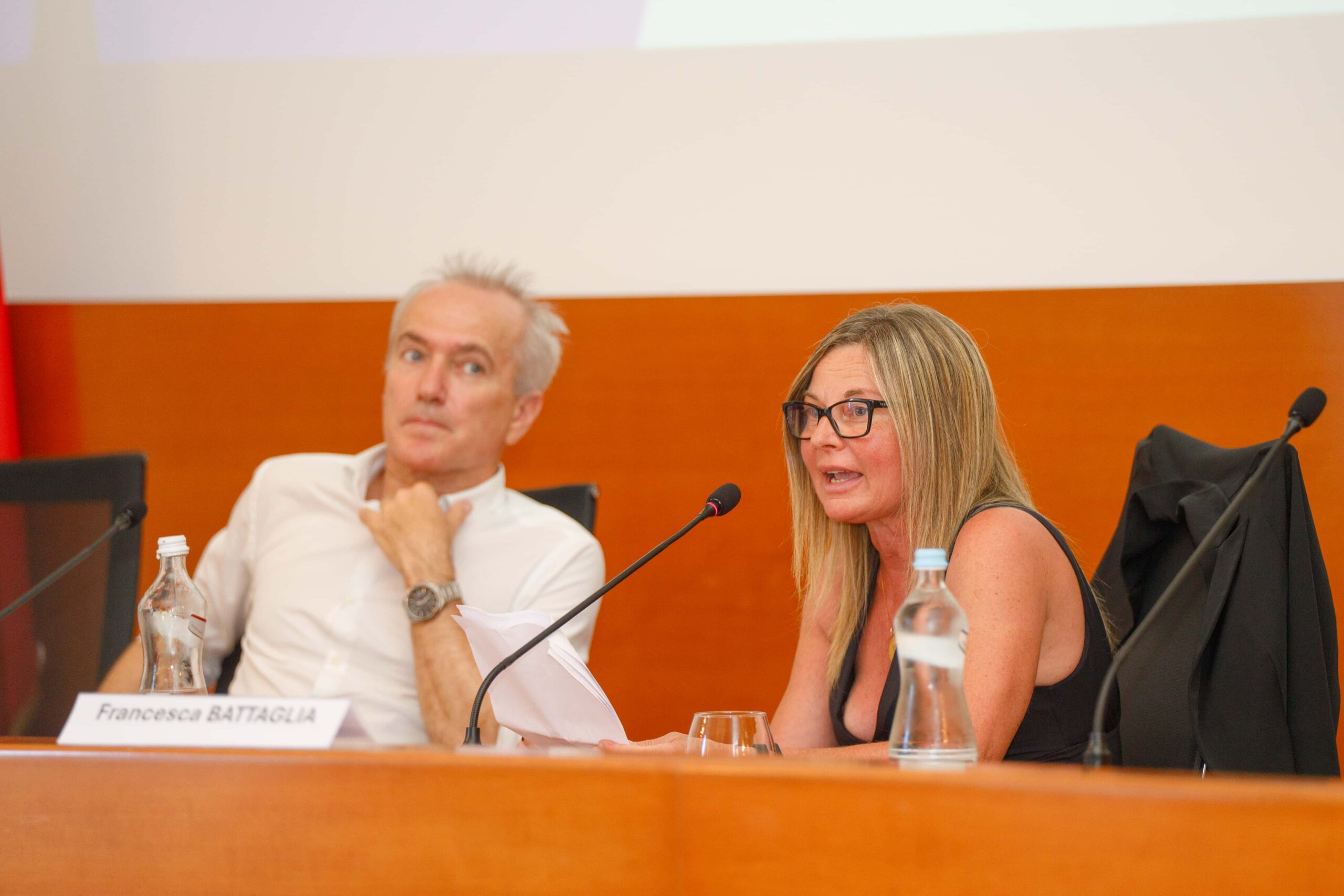
- Francesca Battaglia
- Claudio Porzio
- Gabriele Sampagnaro
Local Organising Committee
- Francesca Battaglia – Belinda Laura Del Gaudio – Claudio Porzio – Daniele Previtali – Dario Salerno – Gabriele Sampagnaro – Maria Grazia Starita – Gian Paolo Stella | University of Napoli Parthenope
Coordinator: Gian Paolo Stella
Paper Award
As part of the CSBF Best Paper Initiative in collaboration with Tages Capital SGR, and under the supervision of Elisabetta Gualandri, two exceptional contributions were recognized for their scholarly impact and originality:- Bio-Value-at-Risk: A Concept to Assessing the Implications of Biodiversity Risks on Portfolio Management Using Geospatial Analysis
- Public Perception, Identification, and Market Impact of ESG Events
Looking Ahead
The CSBF conference continues its tradition of excellence and thought leadership. Join us for the 4th CSBF Conference in 2026 as we deepen the dialogue on finance’s role in sustainability transitions.
📨 For inquiries and collaborations:
✉️ finclimate.lab@uniparthenope.it